8% premium on its initial public offering price. The Chairman underscored the necessity of adopting a long-term viewpoint when assessing the exchange's viability.
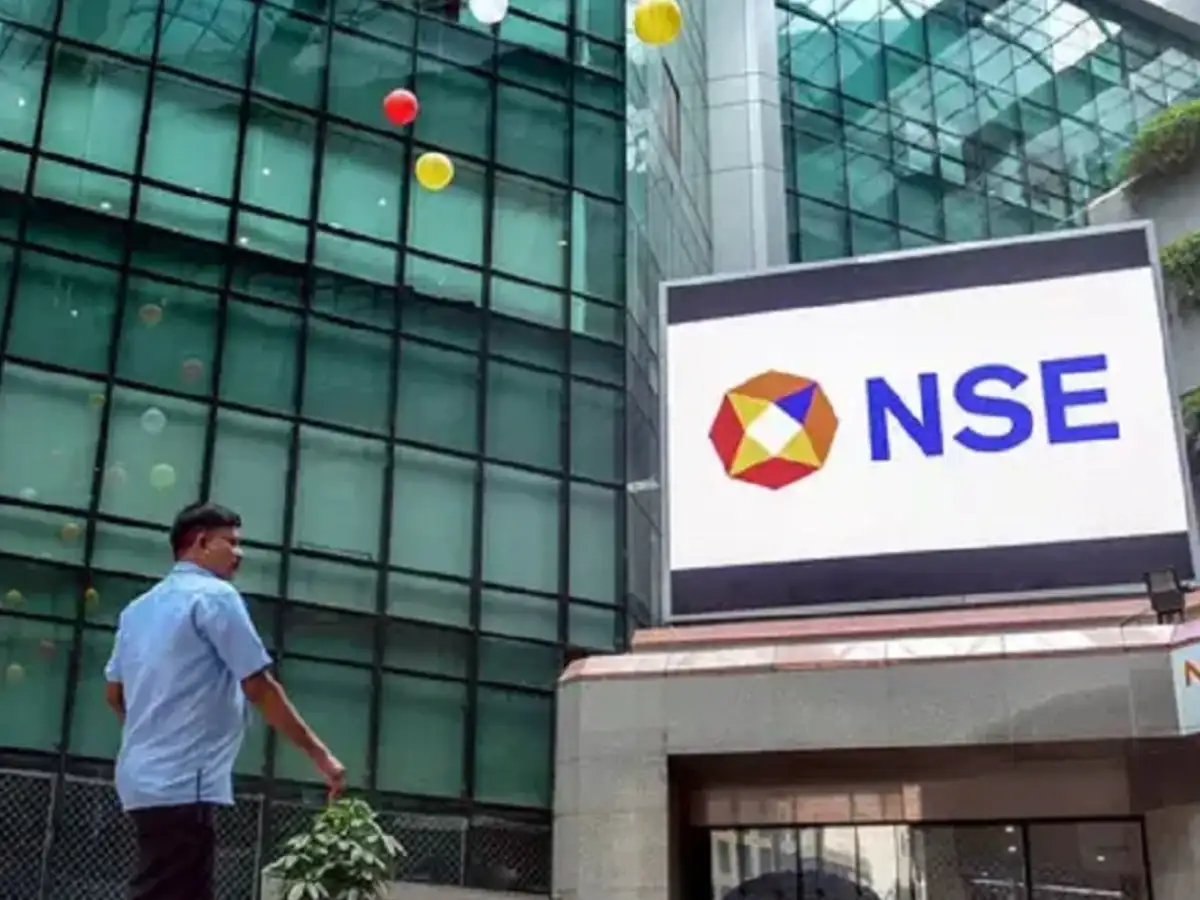
NSE's strategic direction includes diversifying its revenue streams over the next five years to minimize dependence on transaction fees. THE ECONOMIC TIMESNational Stock Exchange Chairman said investors should not judge NSE's stock only by its day-one listing gain, after India’s largest exchange made a muted debut on the bourses.
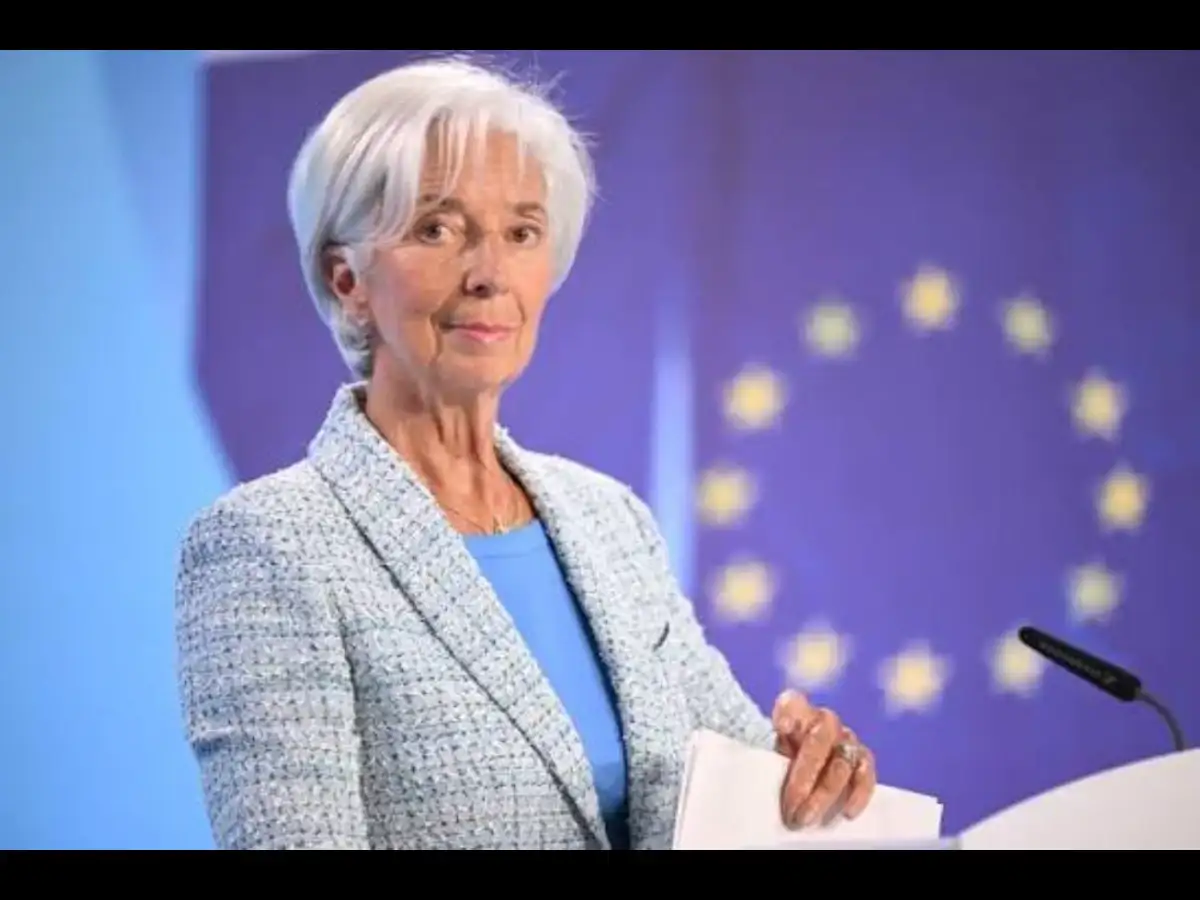
" For a share such as NSE, listing gains are not on day one,” the chairman of NSE, Ashish Chauhan, said, putting the exchange’s weak debut in a longer-term context. 8% to its IPO price, making it one of the weakest debuts among India’s Rs 10,000 crore-plus public issues.
The stock listed near Rs 1,800 against the upper issue price of Rs 1,785. The muted listing came despite the exchange’s dominant market position, strong institutional demand and its status as one of India’s most awaited IPOs.
NSE’s grey market premium had also cooled sharply before listing, signalling that expectations of a strong listing pop had faded. Among large IPOs, NSE’s debut was better than weak listings such as Paytm, LIC and Hyundai India, but much lower than HDB Financial and LG Electronics.
That puts the stock in the category of large IPOs where the market priced in the quality of the business but did not leave much room for listing-day gains. The chairman's comments suggest NSE wants investors to look beyond the immediate listing move and focus on the exchange’s medium and long-term plan.
He said the exchange will work over the next five years on a strategy to diversify revenue sources. This is important because NSE’s business is still heavily linked to transaction income, especially from equity derivatives.
With Sebi tightening rules around retail F&O trading, expiry-day activity and market structure, investors are watching how the exchange reduces dependence on a few high-volume revenue pools. Brokerages have also flagged this issue.
The long-term case for NSE rests on India’s financialisation, rising investor participation, data services, colocation, corporate services, new products and possible growth in non-transaction income. But the near-term question is whether regulatory changes can slow trading volumes, particularly in options.
The listing also reopened the debate on self-listing by stock exchanges. The chairman said that in India, self-listing of an exchange on its own platform carries perception concerns around conflict of interest.