
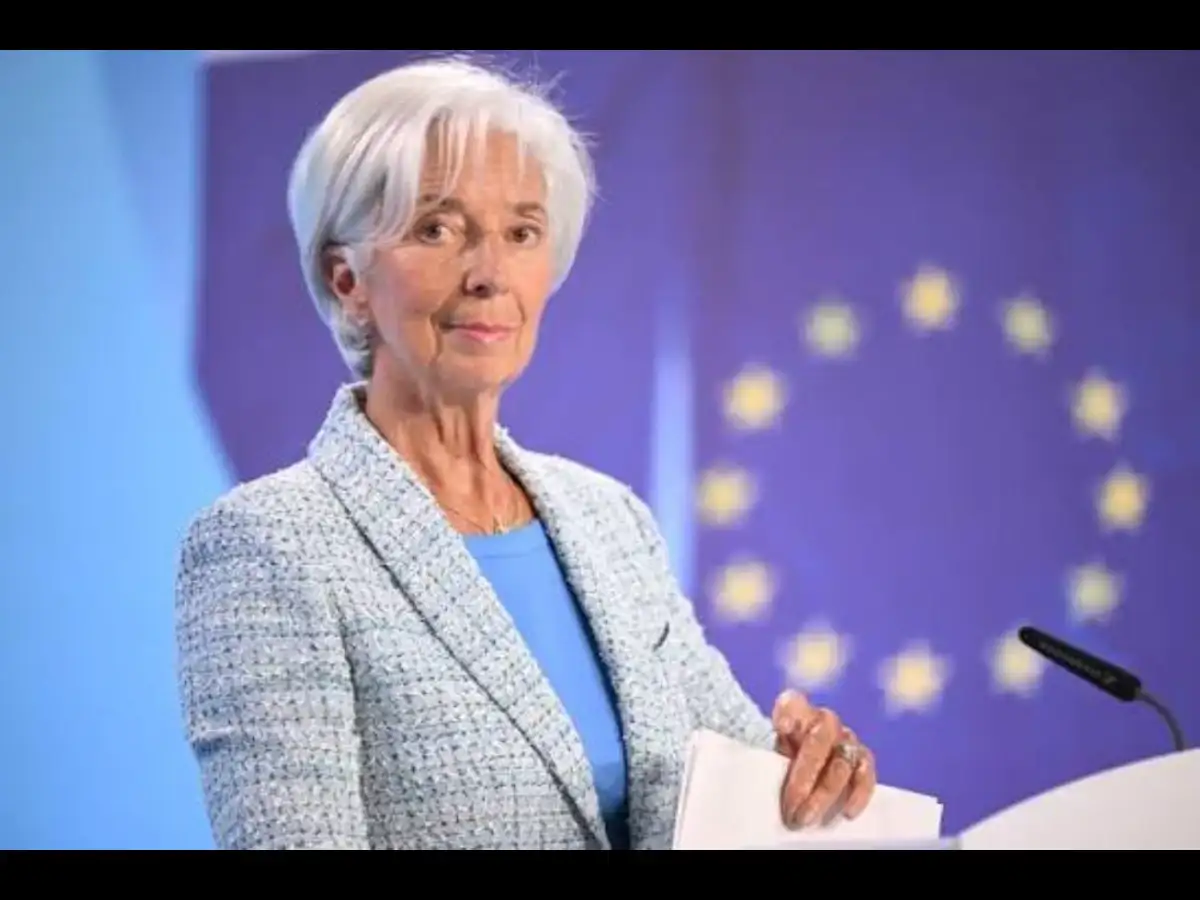
SynopsisEuropean Central Bank President Christine Lagarde highlighted rising Eurozone inflation linked to increased energy prices. While inflation is expected to approach 4%, second-round effects on wages remain unobserved.
Lagarde emphasized that the ECB would maintain a cautious policy approach in response to these developments. The central bank is set to consider interest rate changes at upcoming meetings.
AgenciesEuropean Central Bank President Christine Lagarde said that Eurozone inflation has not yet generated significant second-round effects, meaning there is no clear evidence that higher energy prices are feeding into wages and becoming embedded in broader price pressures, Reuters reported. Inflation in the euro zone has already risen above 3% and could approach 4% by the end of the year, according to the outlook cited in the discussion, putting price growth at roughly twice the ECB's 2% target.
The increase has fuelled market expectations of as many as four additional interest-rate hikes over the coming year, following two rate increases during the summer, Reuters reported. Read more: Global Market: RoboTechnik slides below IPO price in weak Hong Kong debutEnergy prices driving inflationLagarde pointed to surging oil and gas prices linked to the US-Iran conflict as the main factor behind the recent increase in inflation.
She said the ECB was monitoring the shock closely but had not yet seen evidence of it spreading into wage growth. Reuters reported that Lagarde's comments pushed back against some of the more aggressive expectations for further monetary tightening, with the ECB chief indicating that a measured policy response remained appropriate as long as inflation expectations and wage pressures stayed contained.
Read more: Global Market: Nikkei falls as oil surge, global bond selloff rattle marketsECB seen taking a cautious approachLagarde also acknowledged that the risks to the inflation outlook were tilted to the upside and that uncertainty remained elevated. The ECB's description of a "measured response" does not specify the size or timing of future rate increases.
However, economists cited by Reuters see the bank's first two hikes, which were spaced three months apart, as a potential guide for the next steps. That view has led many economists to expect the ECB to leave interest rates unchanged at its October 29 meeting and potentially raise them in December, when the central bank is scheduled to publish updated economic projections.