
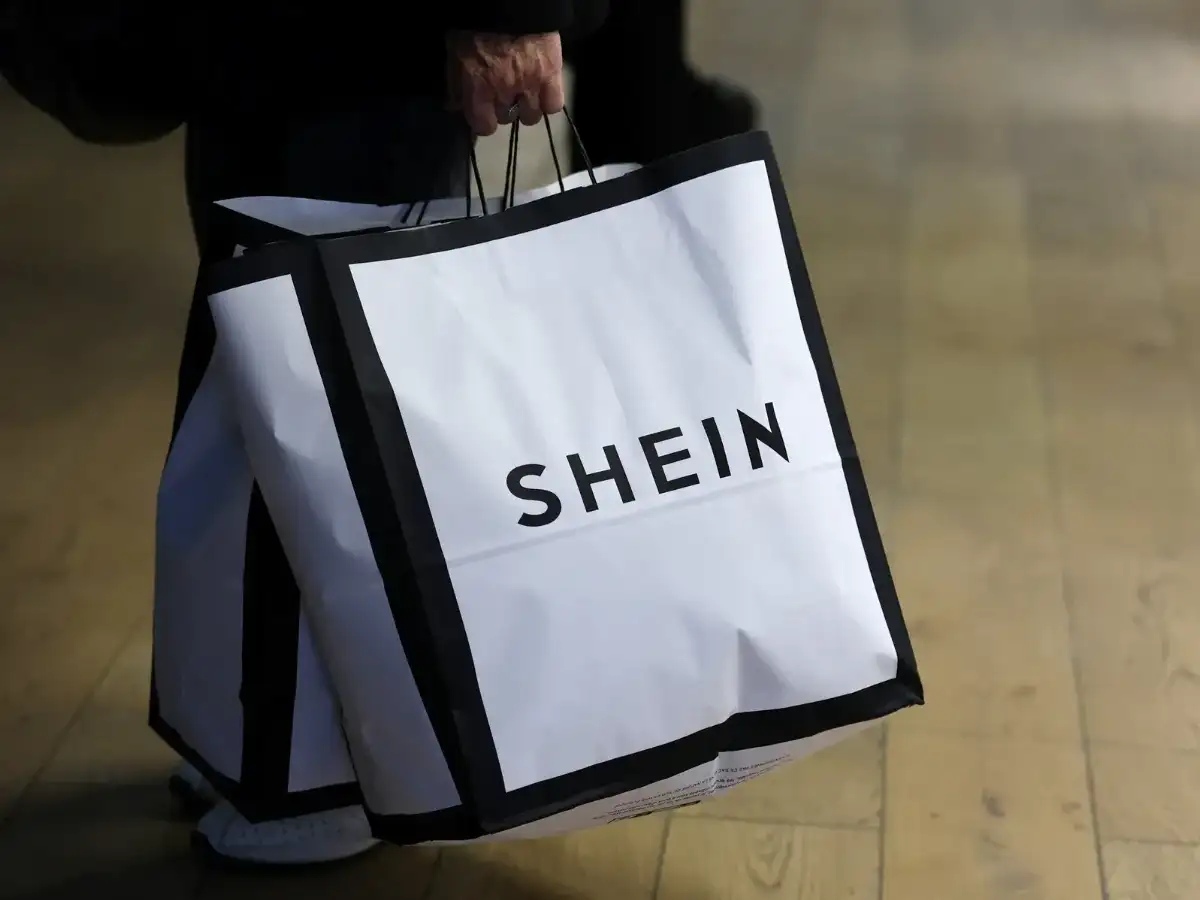
Even after cutting its expected IPO valuation to $30 billion to $40 billion from a near $100 billion private market peak, Shein faces questions over whether slowing growth, rising costs and changing market conditions justify that price tag. Five investors who attended presentations or reviewed recent financial statements ahead of a Hong Kong offering expected to launch as early as August 19 said they were not convinced fast-fashion retailer Shein could return to the growth rates that valued it at nearly $100 billion in a 2022 fundraising round."
The future is quite challenging ... Shein at its core is still a supply chain company," one investor said, citing slowing sales growth due to fierce competition, and pressure on its core business model.
Shein's management highlighted opportunities to expand its portfolio of in-house brands, said the investor, who questioned whether that represented a meaningful new growth avenue. Another investor said Shein was an increasingly mature e-commerce business whose IPO valuation would need to reflect a more modest growth outlook.
A third investor said in their view Shein should be valued at a single-digit price-to-earnings (P/E) ratio, closer to that of PDD Holdings, which owns shopping platform Temu. A lower price would have consequences for Shein's ownership as under terms in its IPO filing, the company's founders would be required to provide extra shares to certain pre-IPO investors if the valuation falls below agreed thresholds.
Representatives for Shein declined to comment. Morgan Stanley analysts estimated a "fair value range" of $39 billion to $52 billion in a report provided to potential Shein investors, which was seen by Reuters.
They said the price range was based on 18 to 24 times Shein's projected 2027 earnings, taking into consideration the price at which competitors such as Inditex and H&M trade. Morgan Stanley, which is a sponsor on Shein's IPO alongside Goldman Sachs and JPMorgan, did not immediately respond to a Reuters request for comment.
GROWTH SLOWS SHARPLYShein's biggest challenge is convincing investors that a sharp slowdown in growth is temporary rather than structural. 7% in 2024 and research firm Coresight expects growth to slow to around 2% this year as changes to customs regimes in key markets raise costs and weigh on demand.
S. last year ended duty-free access for cheap parcels, removing a key advantage of Shein's direct-shipping business model and forcing it to invest in local warehousing capacity."