Ajit Doval Breaks Silence On Operation Sindoor, Reveals PM Modi’s Immediate Response After PahalgamThe report unveiled that Pakistan’s strategic establishment appears to have confronted a "difficult reality" following the conflict: nuclear weapons “have limits”. They did not prevent the crisis from unfolding, deter India from carrying out strikes deep inside Pakistan or provide Islamabad with a decisive way out once hostilities began.
The assessment by US-based body comes at a time when several countries are showing renewed interest in nuclear weapons amid concerns over security guarantees and changing global strategic dynamics. Nuclear weapons take a back seatAccording to the report, Pakistan’s commemorations of the first anniversary of the May 2025 conflict, known as Marka-e-Haq, and the anniversary of its 1998 nuclear tests, Youm-e-Takbeer, offered clues about the changing role of nuclear weapons in the country’s security narrative.
“There were no large-scale celebrations, and no sustained media attention,” the report said, mentioning that senior civilian and military officials issued only brief statements on social media. The contrast was particularly notable because Pakistan’s ruling party Sharif brothers-led Pakistan Muslim League has historically highlighted the decision to conduct the country’s nuclear tests in May 1998.
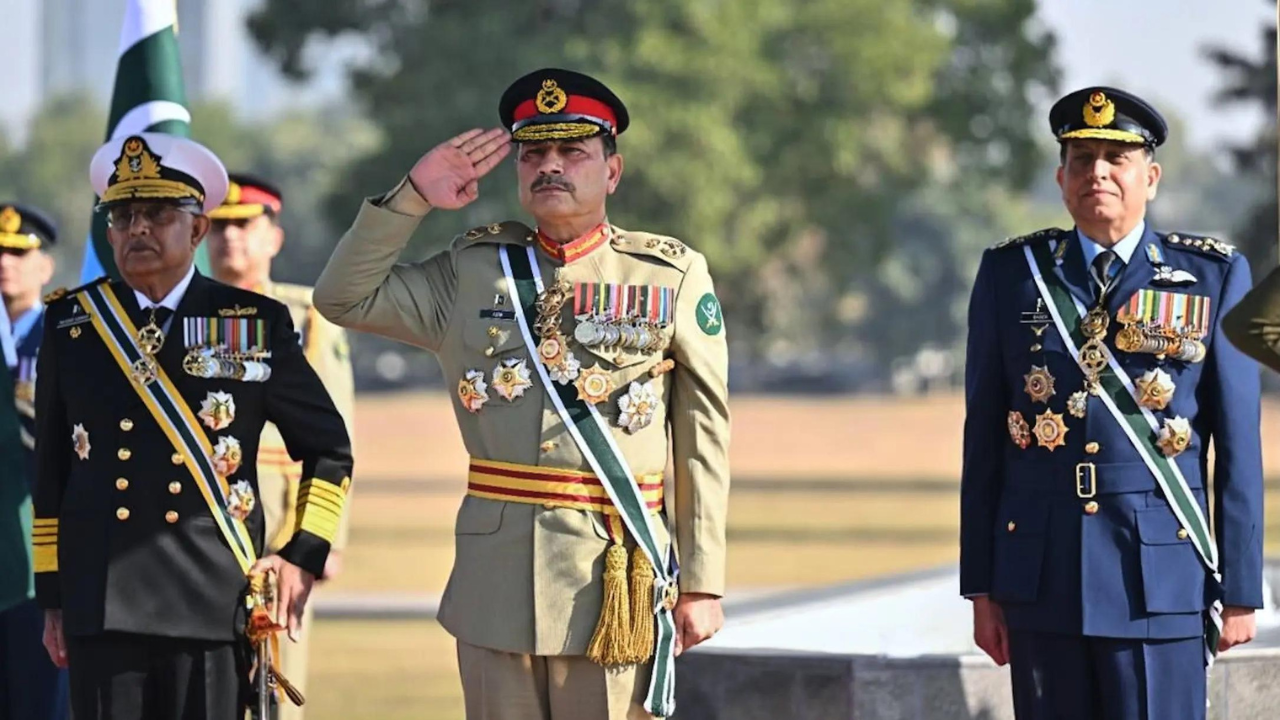
“Nuclear weapons and nuclear-capable missiles were conspicuously absent from these images of militarization,” it said, arguing that this reflected a deliberate shift in the state’s messaging. “The political interests of the military and its institutions are better served by conventional military success than nuclear weapons,” the report said.
“For a military establishment emerging from one of the most serious legitimacy crises in Pakistan’s history, highlighting conventional military achievements therefore has much more political value than celebrating the bomb,” the report said. “The promise, which goes by the name full-spectrum deterrence, was huge but false,” it said.
“Nuclear deterrence did not prevent the May 2025 crisis,” it said. “The fear of escalation did not keep India from striking deep in Pakistan’s heartl and.”
Under Operation Sindoor, India targeted nine major terror facilities across Pakistan and Pakistan-occupied Kashmir, and later struck 11 Pakistani airbases in response to Islamabad’s military escalation. The report said the limitations of nuclear deterrence had become increasingly difficult for Pakistan’s strategic establishment to conceal.