
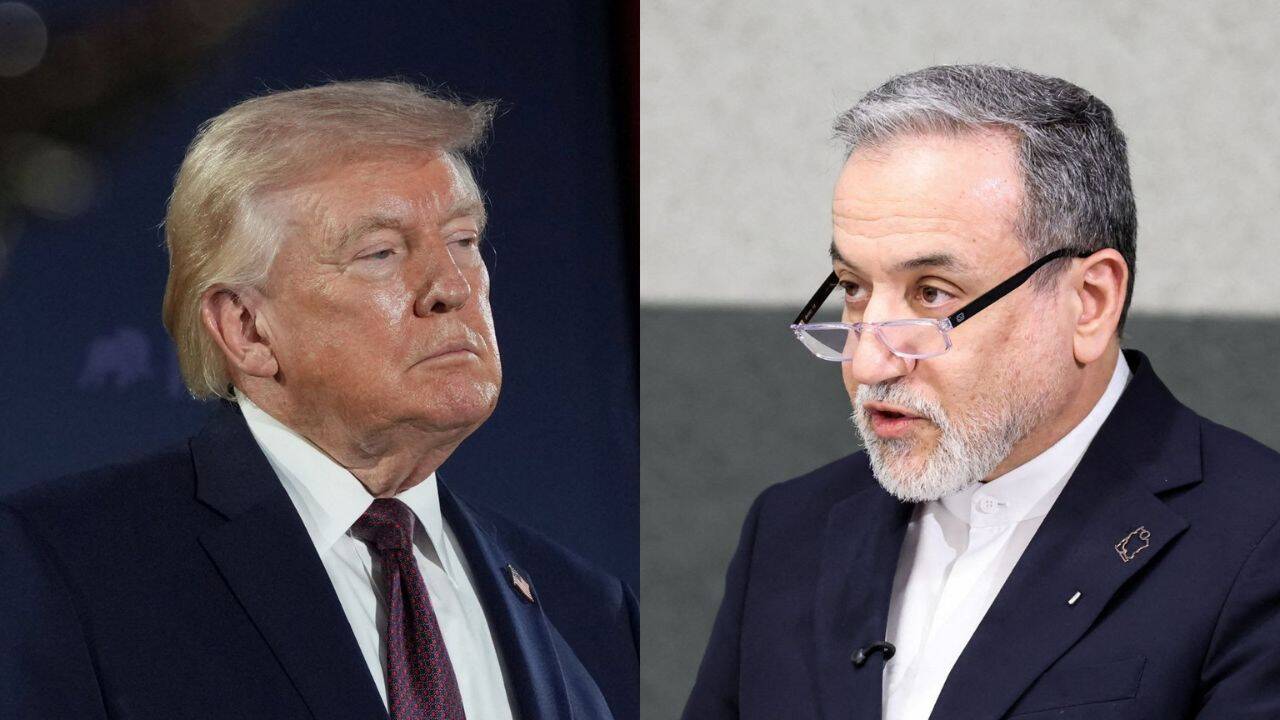
Iran lays out 7-day plan for Hormuz reopening (Donald Trump, Abbas Aragchi) Iran has offered the United States a seven-day plan to reopen the strategic Strait of Hormuz and resume stalled talks on its nuclear programme, with foreign minister Abbas Araghchi saying the next move now rests with Washington. Under the proposal, Iran would reopen the waterway if the United States lifts its naval blockade of Iranian ports, waives sanctions on Iranian oil sales and observes a ceasefire that includes Lebanon, according to Araghchi's remarks to reporters outside the United Nations Security Council on Friday."
If the necessary conditions are met, the strait can be reopened, a normal maritime passage restored within seven days. “The seven-day timeline will start as soon as the United States accepts this plan,” Araghchi said.
Iran's proposal would also restart talks with Washington on a final agreement covering Tehran's nuclear programme. S.
will be started for the final deal on mutually agreed subjects,” he said. Araghchi said the measures Washington would need to take were already included in the memorandum of understanding agreed between Iran and the United States in June."
The actions that the United States should should take are not new. They are all already in the MOU," he said.
The proposal was conveyed to Washington through Qatar, which has played a key role in mediating between Iran and the United States. Hormuz becomes Iran's main bargaining toolIran's disruption of the Strait of Hormuz has emerged as a central source of leverage in its confrontation with Washington.
Before the war, about a fifth of the world's traded oil and gas passed through the strategic waterway, according to the supplied report. Disruptions have affected energy markets beyond the Middle East and created political pressure on the Trump administration ahead of the US midterm elections.
The White House said US officials were engaged in positive and constructive conversations with mediators on the Iran war. It also said the United States was facilitating significant oil exports through the Strait of Hormuz.
There was no immediate public response from Gulf Arab governments to Iran's latest proposal. However, a person familiar with the matter told The Associated Press that Saudi Arabia was skeptical of the latest diplomatic push.
Proposal resembles failed June agreementThe latest Iranian proposal resembles an interim agreement reached in June, but with a much shorter timetable. The earlier arrangement envisaged a 60-day interim period but subsequently collapsed after Iran resumed attacks on shipping in the Strait of Hormuz, according to the supplied report.