S. stock indexes finished Friday higher, but recorded weekly declines.
Investors reacted to fluctuating government bond yields and Middle East developments. Stronger services sector growth offset manufacturing slowdowns, easing some investor concerns.
Oil futures settled higher for a sixth consecutive day, adding to inflation worries. Upcoming economic data and Fed Chair's speech will guide future market movements.
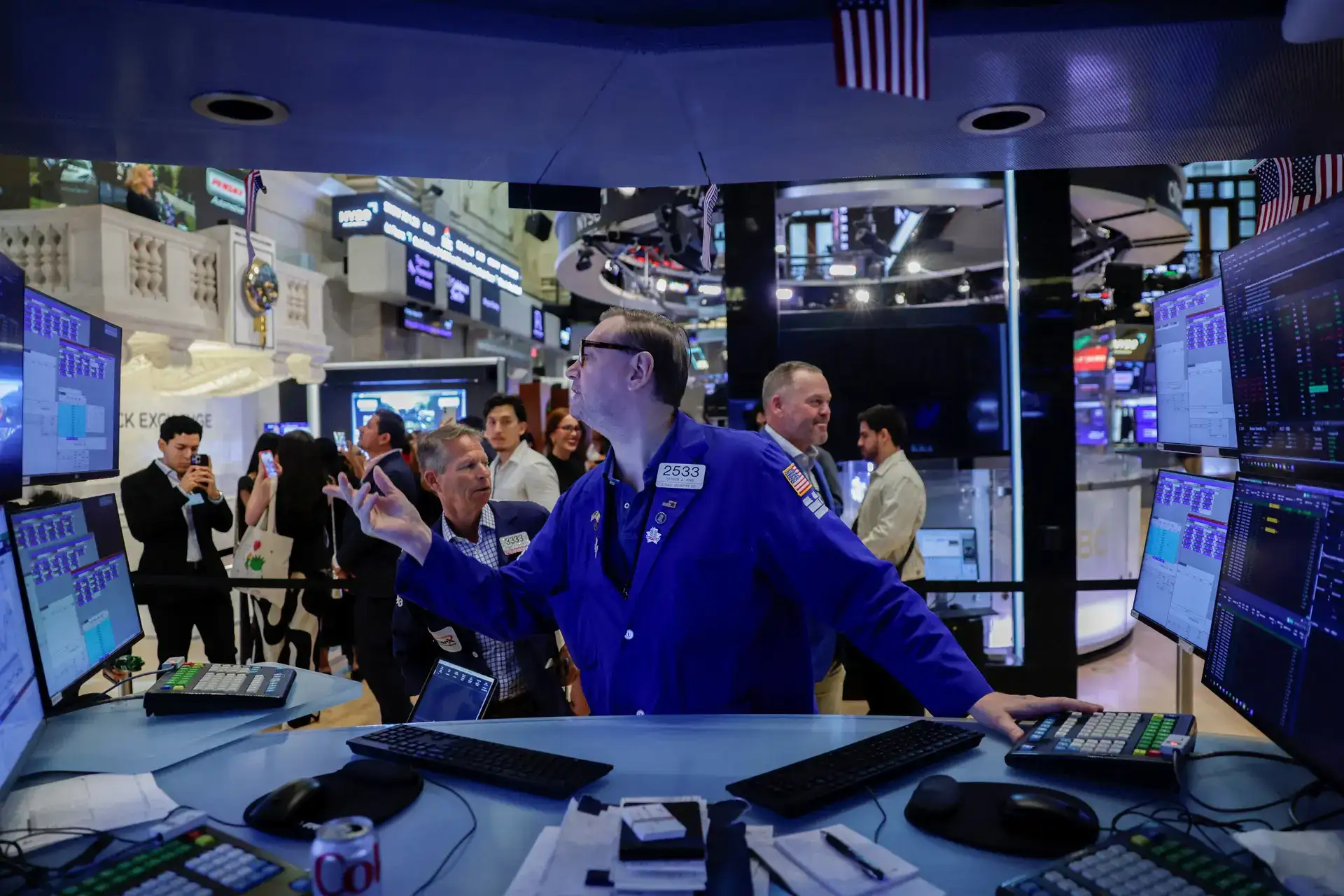
ReutersA trader works on the floor of the New York Stock Exchange (NYSE) in New York City. S.
stock indexes closed higher on Friday but posted weekly losses as investors were rattled by fluctuating government bond yields and a lack of clarity on progress in the Middle East. The S&P 500 and the tech-heavy Nasdaq snapped a three-week winning streak, while the Dow registered its second consecutive weekly loss.
S. government bond yields in recent sessions as the prospect of higher borrowing costs dampened risk appetite.
Stocks had closed lower on Thursday as bond yields rose while equities had advanced on Wednesday as bond yields fell. S.
Treasury Secretary Scott Bessent said on Thursday that the government could further increase its Treasury repurchases after a surprise announcement on Wednesday that it would spend double the expected amount on bond buybacks." Markets are taking a bit of a breather.
It's a pretty calm day," said Chris Zaccarelli, chief investment officer at Northlight Asset Management in Charlotte, North Carolina." We've had a bit of a seesaw week where we had some ups and downs around Treasury yields climbing and the intervention from Treasury Secretary Bessent."
S. services sector in nearly two years powered a sharp acceleration in overall business activity in August.
This offset a slowing of growth in a manufacturing sector that is being restrained by reduced stock building and supply disruptions from the Iran war. Earlier, UBS Global Wealth Management raised its year-end target for the S&P 500 to 8,100, citing a stronger earnings outlook and robust corporate profit growth.
S. President Donald Trump threatened economic sanctions on Iran's trading partners, raising expectations of tighter supply.
S. 37.