
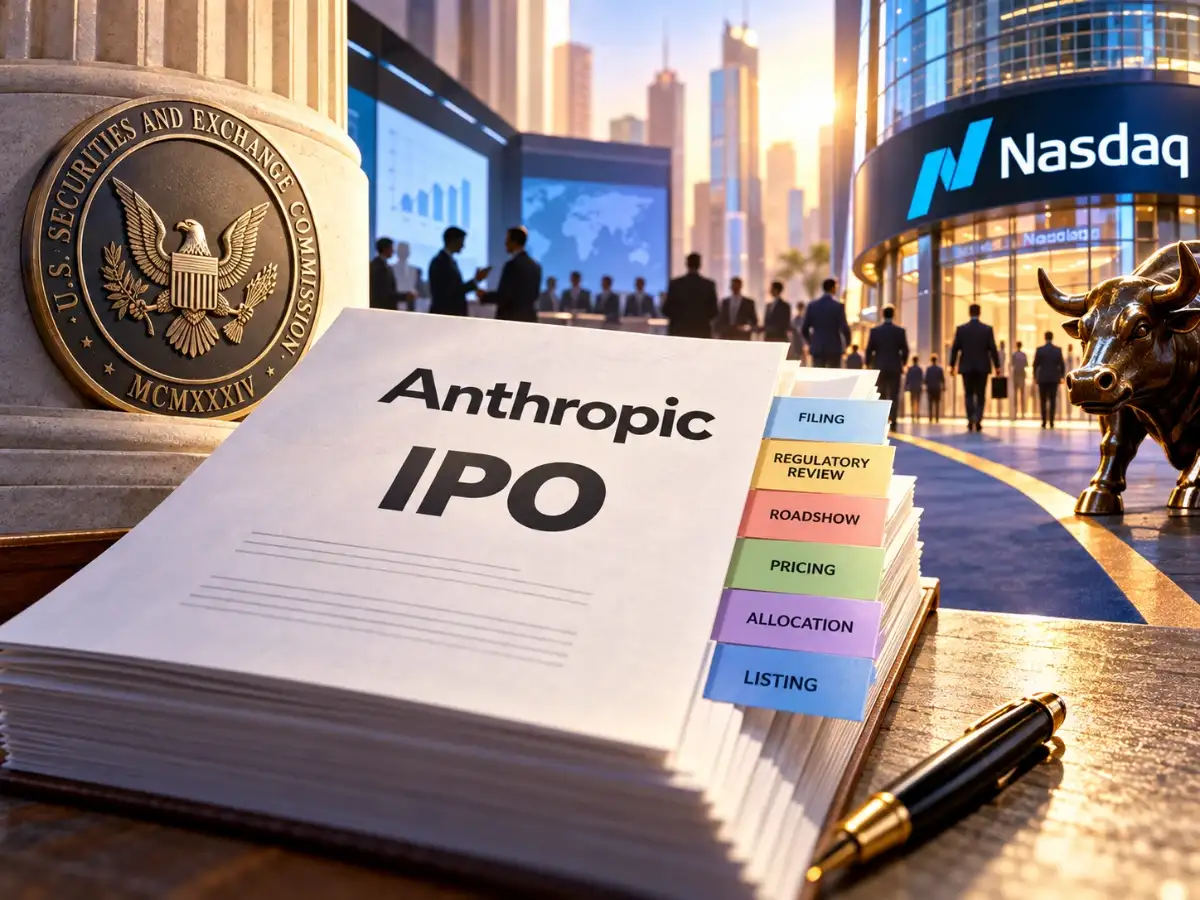
Anthropic's move toward a historic US stock market listing has brought the initial public offering (IPO) process into focus, highlighting the regulatory reviews, investor marketing and pricing decisions companies must navigate before their shares begin trading. The IPO process typically takes three to six months from filing to market debut, depending on regulatory scrutiny, market conditions and investor demand.
Companies planning a US listing must complete several stages: preparing registration documents, disclosing financial information, marketing the offering, setting a price and allocating shares to investors. Read more: Who are the biggest investors backing Anthropic?
A look at key stakeholdersInitial filing and regulatory reviewCompanies preparing for an IPO generally appoint a group of investment banks, known as underwriters, to manage the offering. These banks help assess investor appetite, determine the potential size of the issue and establish expectations for the company's valuation.
Companies also enter a quiet period during which restrictions on public communications are intended to prevent improper influence on investor demand ahead of the offering. Underwriters work with the company to prepare a prospectus detailing its business operations, financial performance, risks and ownership structure.
High-profile issuers often initially submit their registration documents confidentially, allowing regulators to review the disclosures before they become public. The US Securities and Exchange Commission permits eligible companies to submit draft registration statements confidentially.
This approach allows issuers to address regulatory concerns while keeping sensitive business and financial information out of the public domain during the initial review. The next step is to publicly file the registration statement, which includes the prospectus.
US-incorporated companies generally use Form S-1, while foreign private issuers typically use Form F-1. The filing provides prospective investors with information about the company's business model, financial position, risk factors, major shareholders and backers.
It also identifies the intended stock exchange and proposed ticker symbol. Reuters says the regulatory review can take several weeks or months, depending on the business's complexity and the extent of revisions required.
Read more: Global market: South Korean shares jump over 4% as AI chip rally lifts Samsung, SK HynixRoadshow and marketing processOnce the regulatory process advances, companies disclose additional details about the offering, including the number of shares they intend to sell and an indicative price range. This information is generally provided through an amended registration statement, known as Form S-1/A for US companies or Form F-1/A for foreign issuers.


