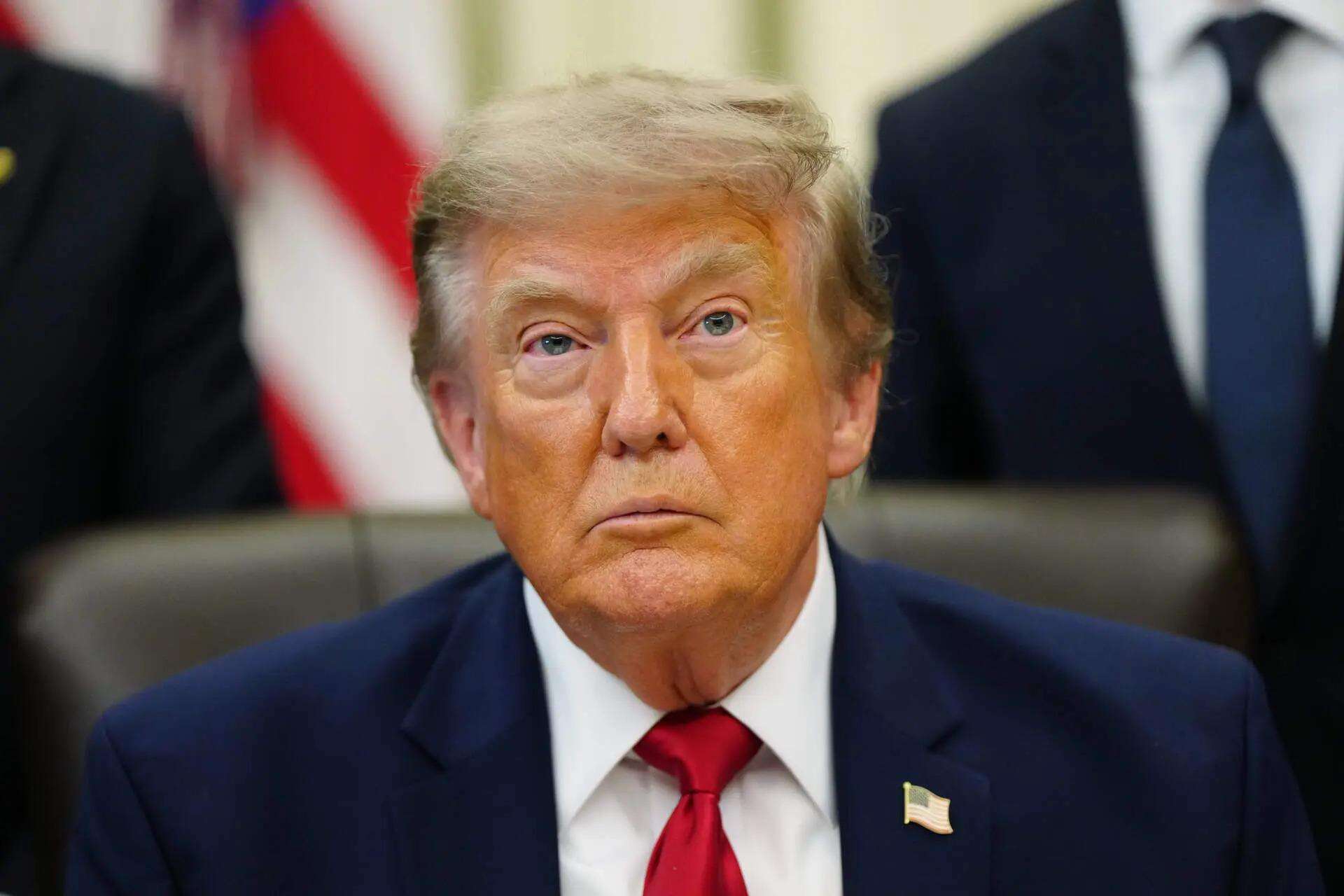
Canada called off its trade negotiations with Trump administration on August 21, 2026. (AP file photo) Canada’s firm stance to call off trade negotiations with the US and the Donald Trump administration’s unpredictable policies hold key lessons for India, according to Ajay Srivastava, founder of Global Trade Research Initiative (GTRI).
Canada called off its trade negotiations with the US on August 21, 2026, and withdrew its negotiating team after realising that Washington was offering only limited tariff relief in exchange for concessions that could undermine Canadian manufacturing and constrain the country’s sovereignty. The US described the breakdown of three days of intensive trade negotiations with Canada as a “missed opportunity” after Ottawa suspended the talks and instructed its negotiating team to return home, while Washington imposed 50% t tariffs on Canadian goods.
US Trade Representative Jamieson Greer said Canada had refused to conclude an agreement even though, according to him, the US had offered to provide Canada with the “best treatment of any major exporter” accessing the American market. Greer said Canada’s introduction of new demands and revisions to commitments made earlier in the talks had upset the balance that negotiators had reached.
Ottawa said it would introduce “dollar-for-dollar” retaliatory tariffs from September 8. The move brought an end to talks that had started on February 1, 2025, after the first round of new US tariffs was imposed.
Why US-Canada trade negotiations were importantThe negotiations were notable because Canada and the US have enjoyed more than three decades of free trade. The arrangement began with the North American Free Trade Agreement, which took effect in 1994, and was later replaced by the US-Mexico-Canada Agreement in 2020.
The USMCA continues to operate and allows most qualifying goods from North America to move between the countries without duties. The need for a new agreement arose after the Donald Trump administration introduced additional tariffs outside the USMCA framework, on top of the standard World Trade Organization, or most-favoured-nation, duties.
Among the measures were Section 232 national-security tariffs of up to 50% on Canadian steel, aluminum, copper and related products, along with 25% duties on automobiles and parts. Washington also introduced separate tariffs covering lumber and wood products.
The US additionally applied a 10% Section 301 tariff to a wide range of Canadian goods, arguing that Canada had not done enough to enforce its prohibition on imports linked to forced labour. It later used Section 338 to levy 50% duties on certain Canadian exports, including wine, cement, hockey equipment and other consumer products.