
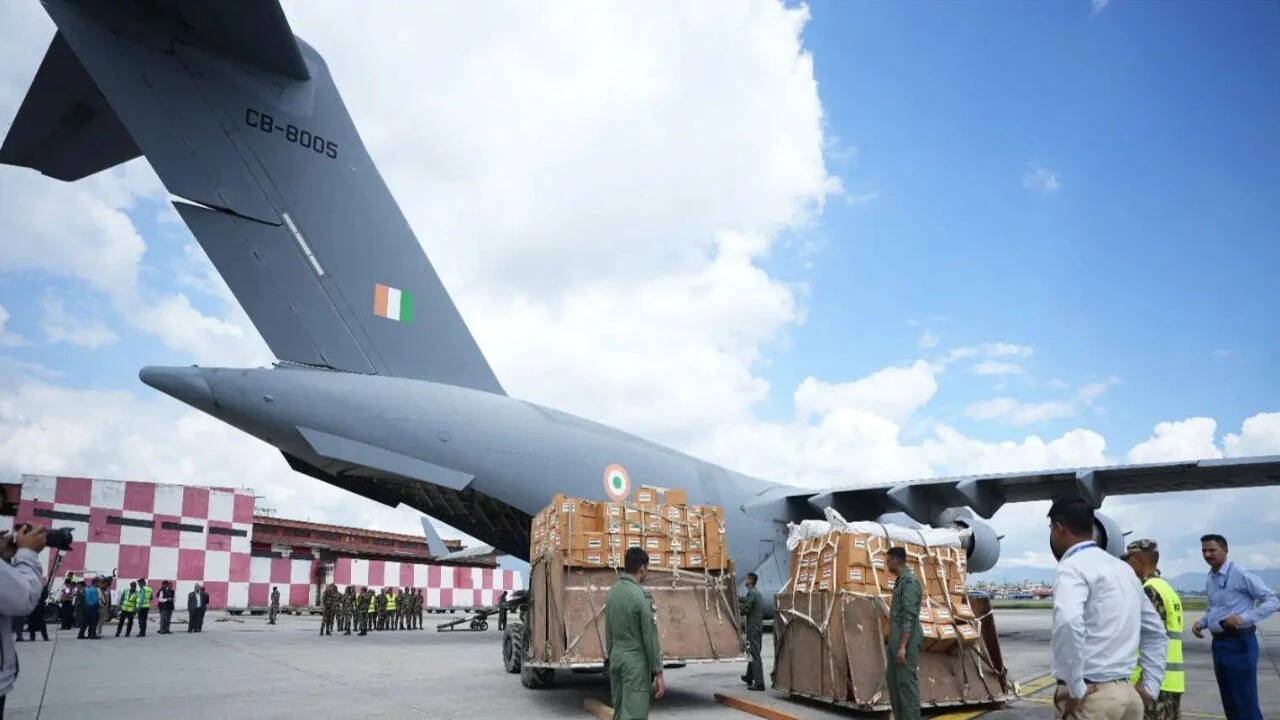
Nepal turns down foreign rescue teams, citing 2015 lessons, but accepts international aid as floods leave thousands missingNepal has declined offers from several countries, including India and China, to send specialised search-and-rescue teams, as it battles one of its worst flood disasters in years. It said that its own security agencies are capable of handling the operation.
The decision comes even as 517 foreign nationals remain missing following the Bhotekoshi floods, with nationals of India, China, the US, Malaysia, Ukraine, the UK, Australia, Canada and several other countries among those unaccounted for. However, Nepal's foreign Shishir Khanal clarified that Nepal had not turned down assistance from friendly nations or the international community.
“Where we need additional technical capacity, we will cooperate as necessary,” The Himalayan Times quotes Khanal as saying, adding that Nepal remained in touch with friendly countries and would seek technical support depending on the specific requirements of the rescue operation. At first glance, Nepal's decision appears counterintuitive.
With hundreds missing and rescue operations underway in difficult terrain, additional manpower and specialised equipment from neighbouring countries could potentially help. Yet Kathmandu appears to be drawing a distinction between accepting humanitarian assistance and allowing foreign rescue teams to operate on its soil.
Lesson from 2015 earthquakeThe key reason behind Nepal's decision lies in its experience during the devastating 2015 earthquake. According to a senior foreign ministry official, Nepal's government remembered the coordination and management problems that emerged when large numbers of foreign search-and-rescue teams arrived after the earthquake.
The presence of multiple teams, along with competition among countries, created difficulties in managing the response. This time, the Balen Shah-government has therefore opted for a more centralised approach.
The decision was reportedly taken on the recommendation of the Nepali Army and police, which believe Nepal's own security agencies can manage the search-and-rescue operation. The foreign ministry official summed up the decision: “We received similar requests from China and other countries too, but we had to turn down the request,” the Kathmandu Post quoting foreign ministry official saying.
Why say no to teams, but yes to aid? Nepal's approach does not amount to shutting the door on international assistance altogether.


