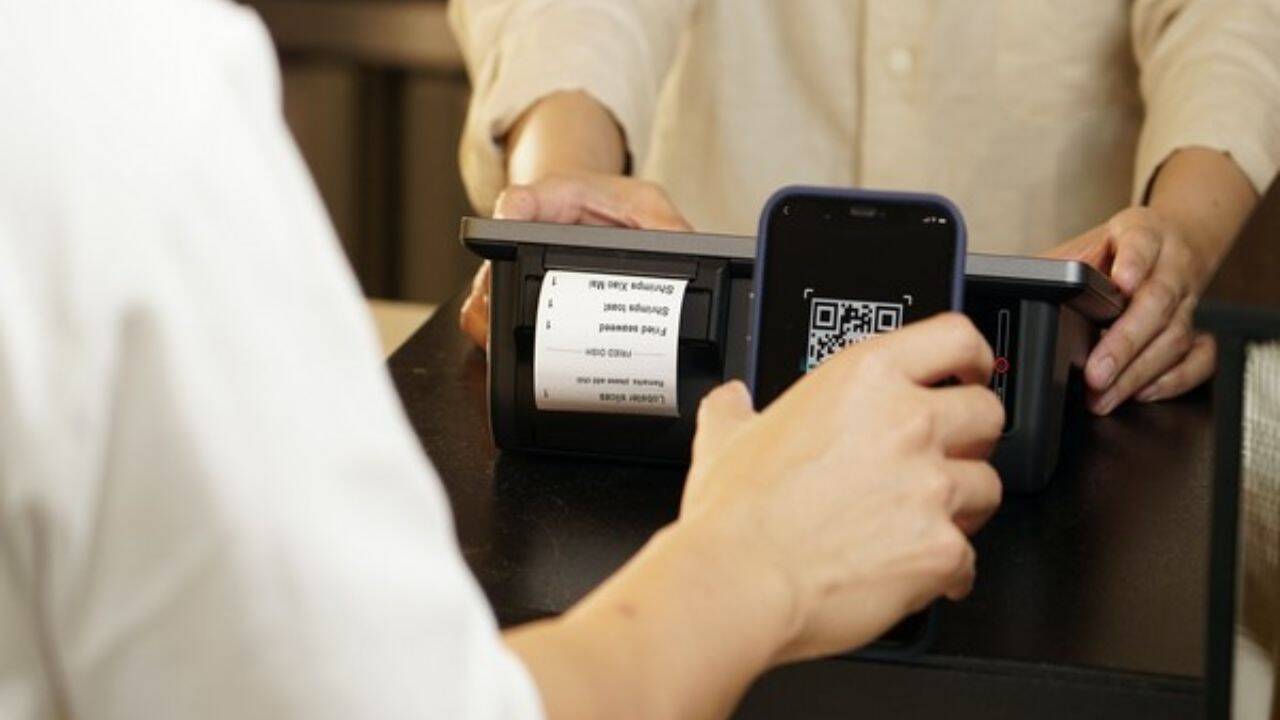
4% MDR charges on UPI transactions over Rs 2,000. “There is no question of a re-think,” a top government official told news agency PTI when asked whether the Centre was considering withdrawing the proposed MDR on high-value merchant transactions.
The decision comes amid sharp criticism from Opposition parties, traders and sections of the digital payments ecosystem who dubbed the move as ' Modi Tax'. “Modiji has a completely diff concept, he's neither left or right he has decided to completely lie down straight and in front of Donald Trump.
He's put a tax on every single Indian person by taxing UPI and giving huge amount op money to the United States,” the former Congress president added. Gandhi later said: “Modiji, please stop lying down in front of the US.
Have a spine, stand up and withdraw the UPI tax. Thank you."
The Centre has rejected the allegation that the changes were driven by foreign pressure. “Debunking the ‘External Pressure’ Myth: Some claims suggest the change is due to foreign influence.
This is false. Government sources cited by PTI said the MDR framework was aimed at strengthening the UPI ecosystem, including its safety and security, while making the system financially sustainable.
The finance ministry has also stressed that customers will not be charged for UPI payments. “MDR is a charge within the merchant payment ecosystem.
It is not a charge on customers making UPI payments,” it said. Person-to-person transfers will remain free, while merchants receiving up to Rs 1 lakh a month through QR codes will continue to have zero-MDR protection, according to the ministry.
It said more than 95 per cent of merchant payments are below Rs 2,000. The move follows concerns raised by Parliament’s Standing Committee on Finance in its 32nd report, over the financial sustainability of the zero-MDR regime.
The panel had noted that the government was spending roughly Rs 2,000 crore annually to support the incentive scheme. With the new framework set to take effect on October 15, the government is now expected to focus on implementation, merchant incentives and the expansion of UPI in rural and semi-urban areas.