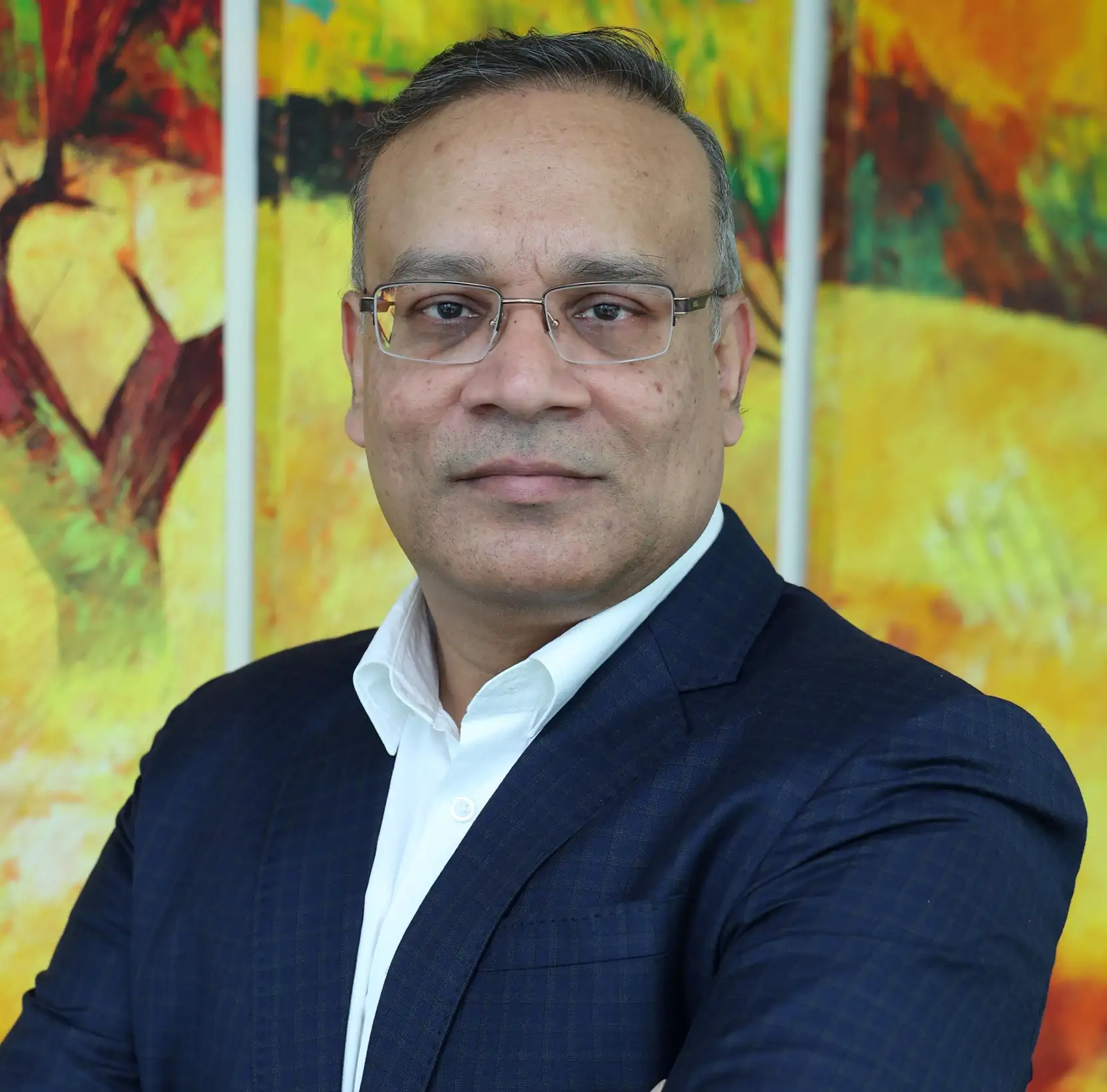
“We have very little exposure to large banks, IT, commodities, internal combustion engine vehicles and FMCG,” said Prateek Agrawal, managing director and chief executive officer of Motilal Oswal Asset Management Company in a chat with ET Markets.
Edited excerpts from a chat: Given that Motilal is present on both sides, active as well as passive, how do you balance these two ends as a fund house?
Prateek Agrawal: We believe in both.
Globally, passive has a great future, and it also addresses a problem in how clients behave. Investors want a fund that looks different from what they already own. When they hold several diversified, long-only funds, however, they can end up effectively owning almost every name in the market.
If someone picks ten different “best” managers, the aggregate portfolio can end up looking like the index — while the investor pays active management fees. On the active side, we see ourselves as a solution to that problem. Investors should ask for alpha.
If markets follow earnings growth over time, pockets of the market offering higher growth than the broader market, sustained over a long period, should deliver better outcomes.
We therefore build high-earnings-growth portfolios, cohort by cohort.
Even in our large-cap fund, which is the most conservative example in the house, the lowest two-year CAGR earnings growth I have seen is 30%, while the best has been 55%.
That is a two-year CAGR, not a one-quarter number. We identify narrow spaces where growth can be sustained for longer than the market expects. There are two ways to make money in equities: growth and value.
Investors can pair us on the growth side with a good value manager. Owning 20 to 35 names in a portfolio makes it a fairly concentrated one compared with peers. Prateek Agrawal: It is a highly concentrated and differentiated portfolio.
Our Midcap Fund used to hold just 16 or 17 names; it is now closer to 30. If you compare the top-10 concentration in the index with the top 10 in our portfolios, they are similar. Across the house, we are almost always fully invested.
Our neutral cash position is around 3% to 4%, mainly because settlement means you cannot sell one position and buy another with the proceeds on the same day. Being relatively more concentrated adds risk, and we are risky. But there have been down cycles in which we have not fallen as much as one might expect.