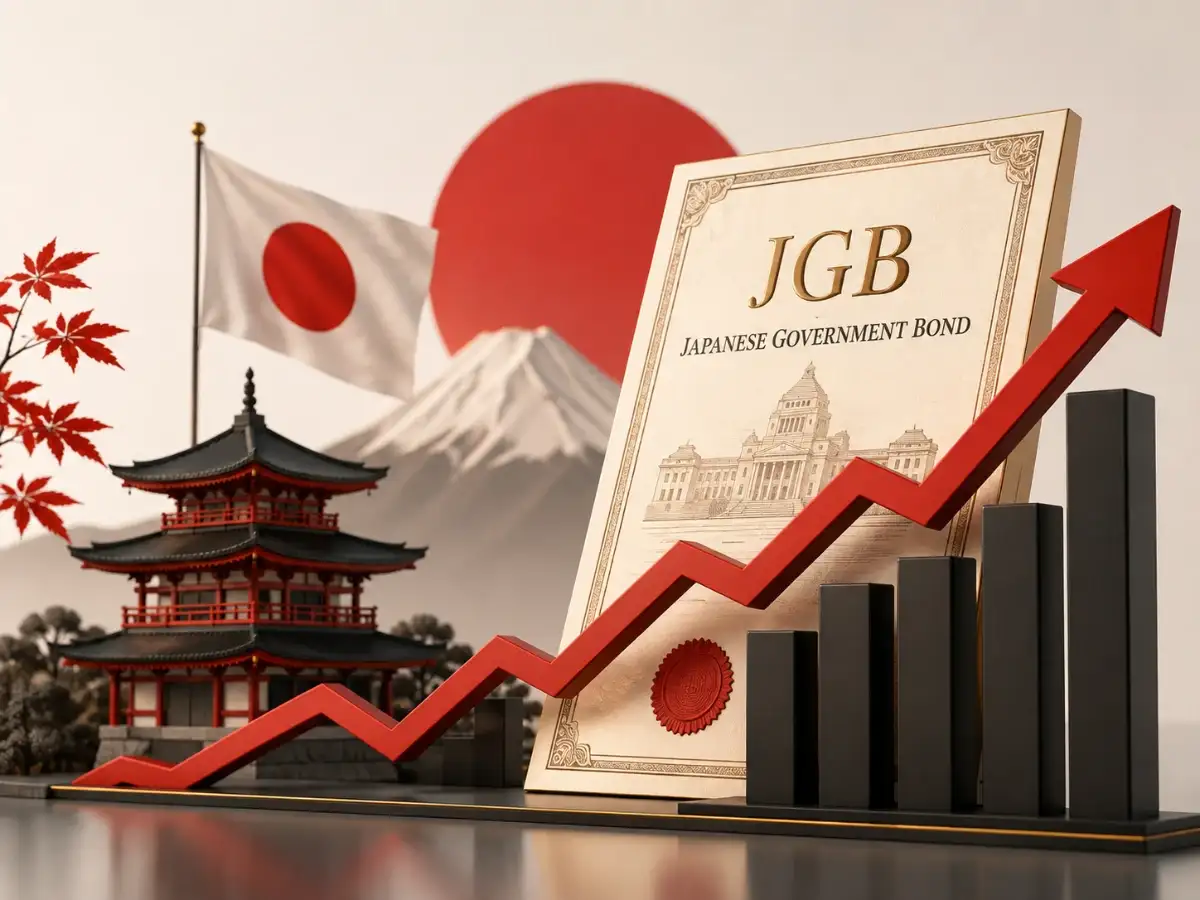
SynopsisForeign investors are showing significant interest in Japanese government bonds this year on the back of rising yields. Record inflows into Japanese bond funds highlight this growing investor appetite.
European investors, in particular, are increasing their allocations to these bonds. comJGB yields rise as investors await BOJ and Fed signals.
Japanese government bonds are becoming harder for global investors to ignore. Record inflows into Japanese bond funds this year show that foreign investors, particularly in Europe, are increasingly willing to look beyond the traditional US fixed-income market as rising Japanese yields create a more attractive investment opportunity.
5 billion in net inflows so far this year, according to Morningstar data released on Tuesday. That is nearly three times the $550 million collected during the whole of 2025.
For live updates on US Markets, click hereThe interest reflects a broader shift in how investors view Japanese government bonds. For years, Japan's ultra-low interest rates and the Bank of Japan's huge bond purchases kept yields close to zero, making JGBs difficult to justify as a source of income.
That picture has changed as inflation has returned and the central bank has started raising rates. 1% at the start of the year.
1% at the start of 2022. The rise in yields has pushed bond prices lower, but it has also given foreign investors something Japan's debt market has lacked for years: meaningful income.
4 billion in inflows this year, driven mainly by large wealth investors. Those funds recorded a $58 million outflow in 2025.
7 billion in JGBs this year. 8 billion, the strongest monthly figure in more than a year.
For European investors, Japanese bonds can offer another advantage. But the rush into Japanese bonds is far from a universal bet on rising prices.
The JGB market is worth roughly $8 trillion, meaning this year's foreign inflows remain small relative to its overall size. Investors are also aware that the same forces that have made Japanese bonds more attractive could push yields even higher.
Vanguard's Ales Koutny, for example, remains positioned for higher yields in shorter-dated JGBs, expecting the Bank of Japan may need to raise rates relatively sharply. At the longer end, however, yields above 4% on 30-year bonds are beginning to look more compelling.