
75%-4% target range. “The Committee decided to raise the target range for the federal funds rate by 1/4 percentage point to 3-3/4 to 4 percent, in support of the Federal Reserve’s dual mandate.
“Economic activity is expanding at a solid pace. While uncertainty remains elevated owing, in part, to geopolitical developments, domestic spending has been resilient.
Productivity growth is strong, and capital investment is robust. Job gains have kept pace with the workforce, and the unemployment rate has changed little.
Inflation remains elevated. Today’s policy action will support a timelier return to the Committee’s 2 percent goal.
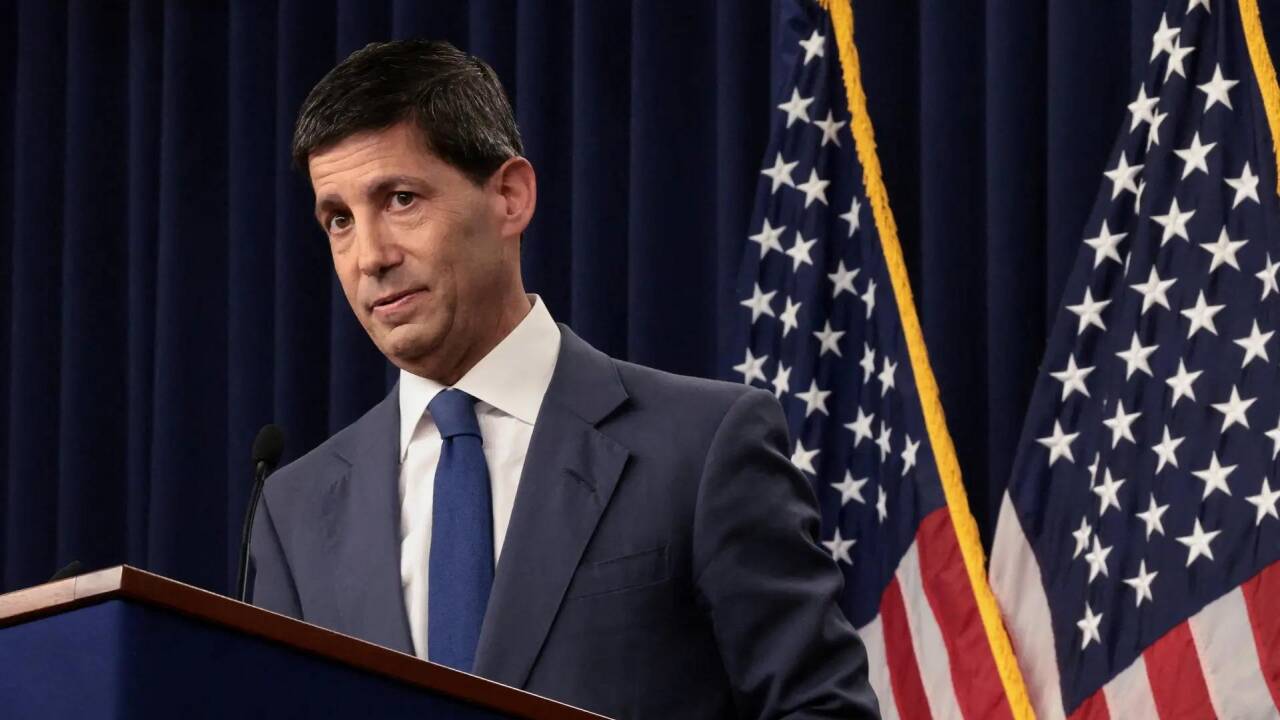
The Committee will deliver price stability,” it added. Justifying his decision, Warsh said, " The plain fact is that inflation is too high and has been for too long."
“We must be confident that underlying inflation is moving to our objective clearly and at sufficient speed. Today the FOMC decided that this standard has not been satisfied," he added.
US Federal Reserve Projections & OutlookFederal Reserve officials now expect to raise interest rates once more this year, following Wednesday’s quarter-point increase, while their latest quarterly projections indicate that rates are likely to remain unchanged in 2027. The projections, released after the Fed’s latest policy meeting, also showed that policymakers have raised their expectations for inflation in the near term.
75% range in 2029. The outlook has changed from the Fed’s June projections.
At that time, officials had also anticipated one quarter-point increase during 2026, but they expected rates to decline by the same amount in 2027. Policymakers are now forecasting higher inflation for 2026 and, to a lesser extent, the years that follow.
6% forecast issued in June. 1% from the earlier 2% estimate.
The projections indicate that the Fed does not expect inflation to return to its 2% target until 2029. The outlook for economic growth and employment, meanwhile, has remained largely steady.
2% forecast in June. 4% in 2027.
1% as of August, and policymakers expect it to remain at that level through the end of 2026 and stay there through 2029. The hike comes on the back of persistent inflation and a broader increase in global borrowing costs.