
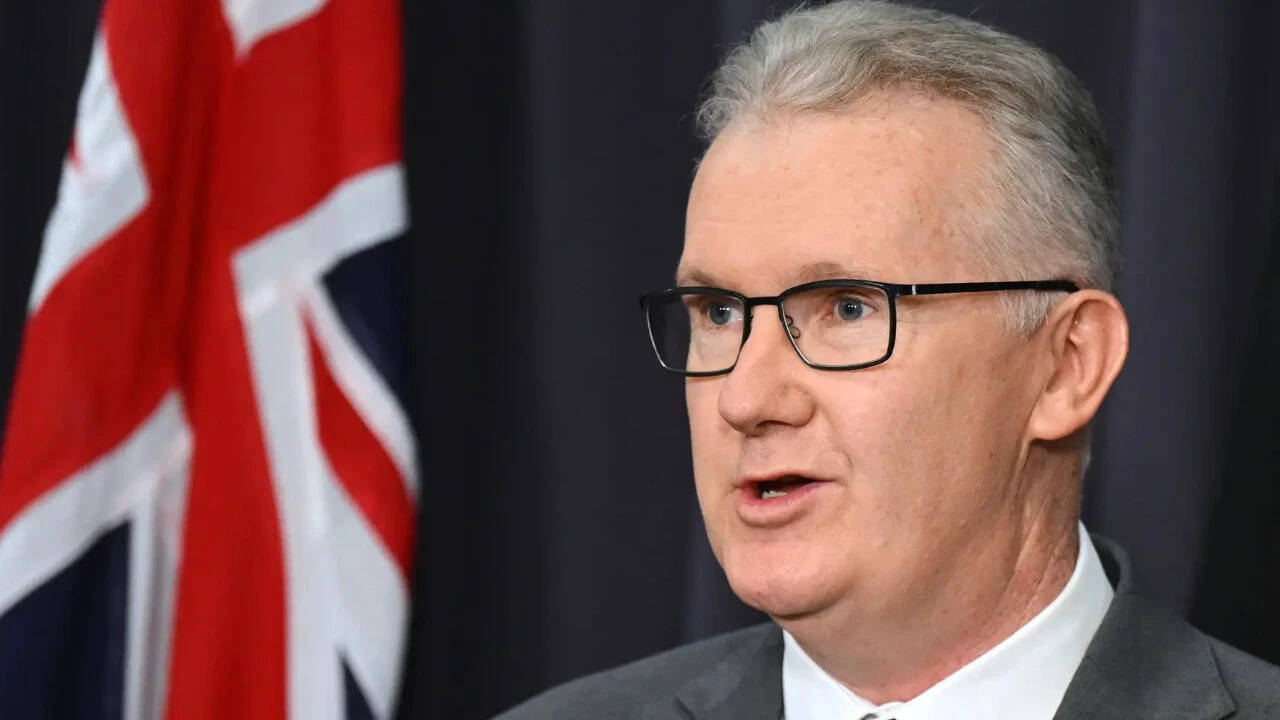
Tony BurkeAustralia's immigration debate has turned the spotlight on international students, temporary visa pathways and a claim involving yoga teachers, with Tony Burke, immigration minister, seeking to draw a distinction between legitimate migration and the vias-hopping. In his recent address to the National Press Club, Burke said the government supported immigration as a contributor to Australia's economy but wanted greater control over a system that had historically relied heavily on demand-driven migration.
Addressing claims that Australia was bringing in more yoga teachers than construction workers, Burke said: “There is an endless refrain that the government is bringing in yoga teachers and not construction workers, to the extent that the shadow minister for housing, Senator Bragg, has even said we are bringing in more yoga teachers than construction workers.” Debunking this claim, he pointed out that the number of construction workers brought in during the previous financial year was just under 15,000, compared with 4,500 earlier.
“We've tripled the number of construction workers who are coming in,” he said and added that the number of yoga teachers brought in under the current government was zero. Burke said yoga teachers appeared on the relevant occupation list because of an agreement made by a previous government with India.
The minister attributed the agreement's announcement to Dan Tehan, who was then an assistant trade minister. TOI reviewed the relevant trade agreement.
Burke also holds various other portfolios including Home Affairs. His comments come as Australia seeks to manage the economic and infrastructure implications of migration while maintaining the benefits of international education.
Visa hopping under scrutinyBurke also addressed concerns around international students moving from one visa category to another. He stressed that not all visa transitions should be considered visa hopping.
He described a legitimate pathway in which a student completes a qualification in an area of skill shortage, moves to a graduate visa, finds relevant employment, obtains employer sponsorship and potentially progresses to permanent residency and citizenship. However, the minister said the government was concerned about cases where people who would not meet the requirements for permanent residency repeatedly moved between visas and used appeal processes to be able to stay here as long as possible.
“It eventually becomes absurd to not just let them stay, because at that point they have Australian citizen children and at that point they are so integrated into a local community,” he stated. To curb visa hopping - students repeatedly moving between courses and institutions primarily to pursue a migration outcome rather than an educational qualification, he said that while course extensions and legitimate transfers will remain permitted, students will generally be expected to progress up the qualification ladder, such as moving from a bachelor's degree to a master's, rather than repeatedly shifting between courses at different levels.