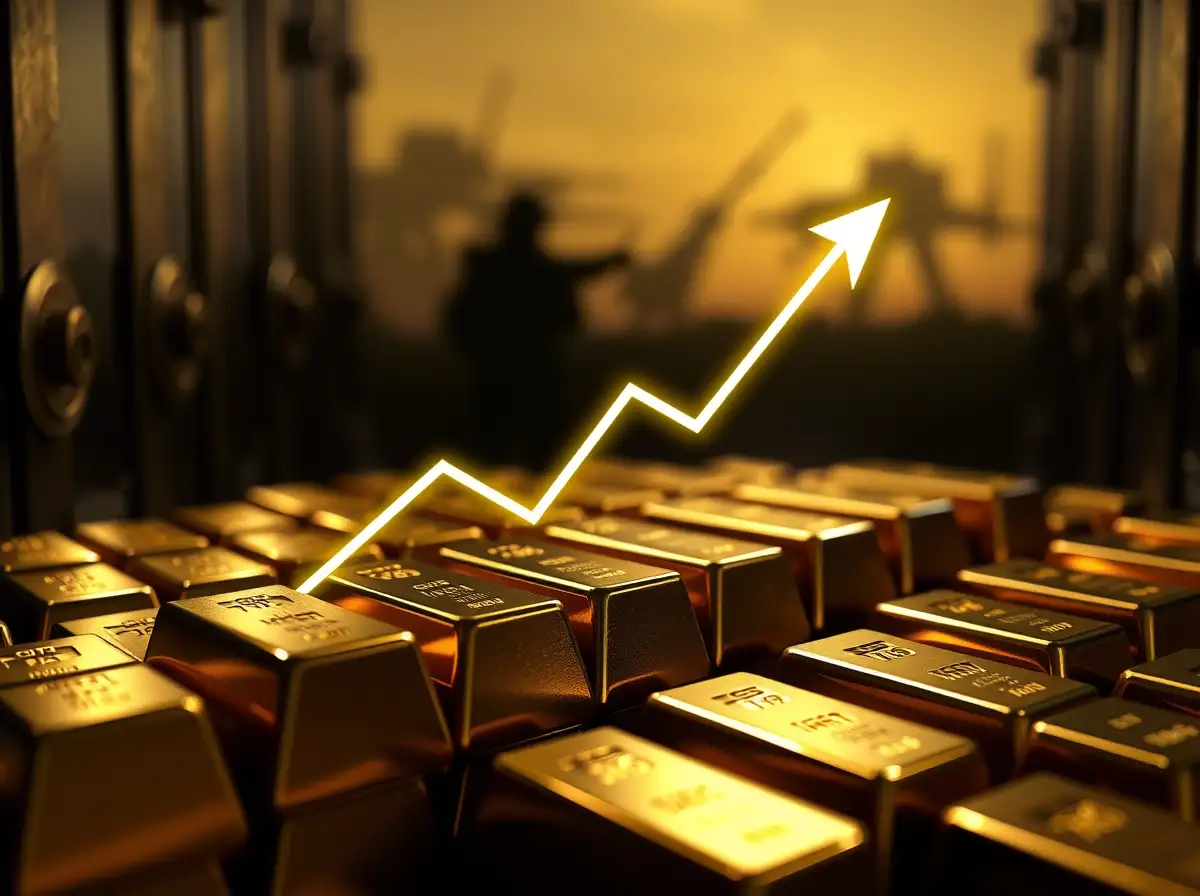
Gold’s 9% recovery in August to around $4,400 an ounce indicates that the precious metal is regaining favour among institutional investors and central banks, positioning it for further gains as markets move beyond the initial shock of the US-Israeli war with Iran, Reuters reported. “It feels as though the handbrake has finally been released from gold,” said Ross Norman, an independent analyst.
S. “If oil doesn't steal the show again, if the situation in the Middle East does not erupt and oil prices spike, then the path of least resistance for gold looks higher,” James Steel, chief precious metals analyst at HSBC, told Reuters.
Steel said the strength of gold’s rebound over the past two weeks suggested that central banks or sovereign wealth funds may have been active, although he stressed that this was an inference rather than confirmed information. Institutional demand for large gold bars was another likely source of support, with premiums in Asian trading centres, including China, indicating renewed buying interest.
“It is really, I think, the rebuilding of positions that large institutions had before the conflict with Iran,” Steel added further. However, stalled efforts to end the Iran war, weak jewellery and coin demand and subdued inflows into interest-rate-sensitive gold-backed ETFs could limit further gains.
According to the World Gold Council, these funds added only $7 billion in the first half of August, taking their assets under management to $582 billion. Technical indicators also pose a challenge.
The relative strength index suggests gold is nearing short-term “overbought” territory, while the 200-day moving average, currently at $4,504, remains a strong resistance level.