
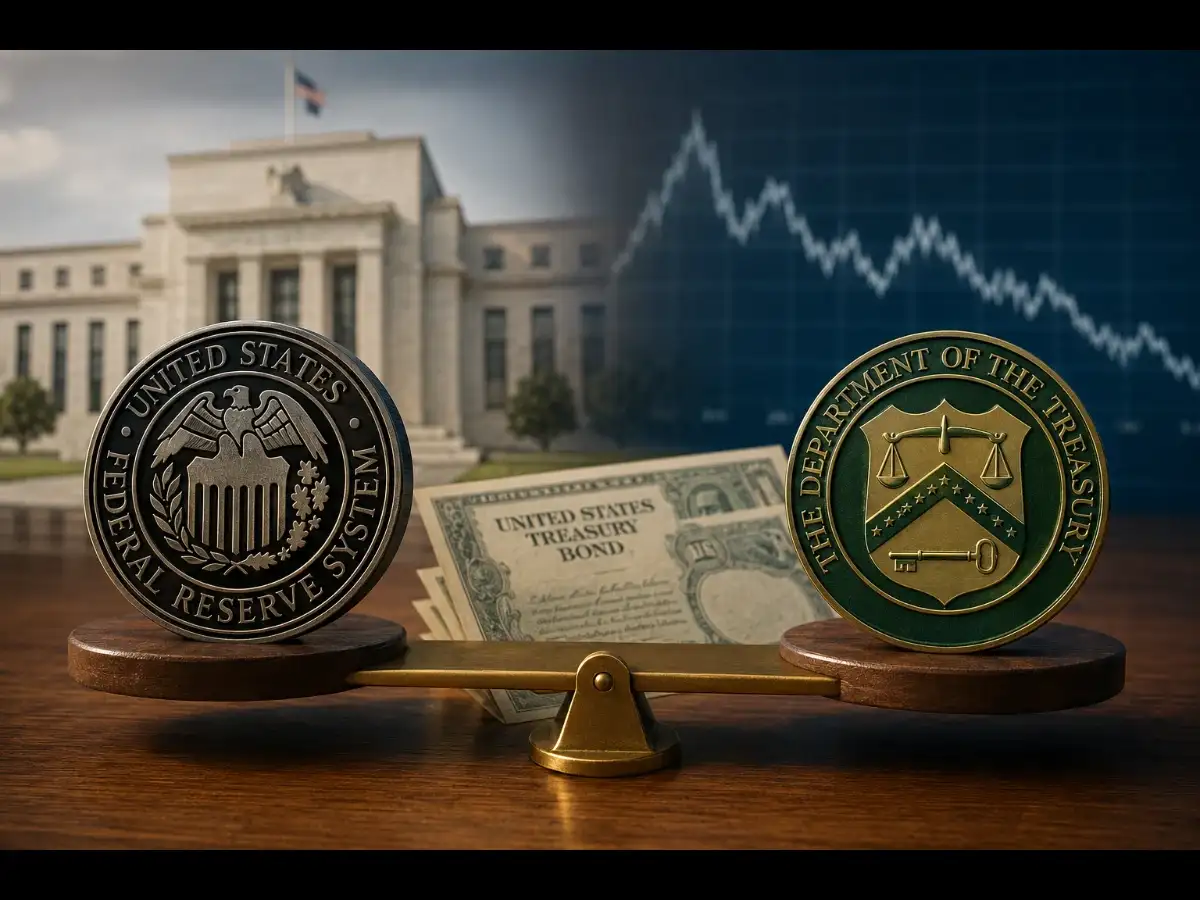
S. Treasury takes a more active role in influencing long-term borrowing costs.
S. government debt to $4 billion per operation.
The move targets Treasury securities with maturities of between 10 and 30 years and comes as borrowing costs at the long end of the market have risen sharply. The announcement helped push Treasury yields lower, with bond prices moving higher after the government unveiled the expanded buyback programme.
The development has raised questions among investors about whether the Treasury could increasingly influence broader financial conditions that have traditionally been shaped primarily by the Federal Reserve. Reuters reported that the Treasury action could potentially shift some of the market’s focus away from the Fed, particularly as Warsh has signalled a preference for using interest rates rather than large-scale asset purchases as the primary monetary policy tool.
Treasury takes a more active roleThe rise in long-term Treasury yields has become an important concern for policymakers and investors because it directly affects borrowing costs across the economy, including mortgages, corporate debt and other forms of credit. Long-term yields had climbed toward levels not seen in nearly two decades, reflecting concerns over persistent inflation, heavy government borrowing and strong demand for funding from companies investing heavily in artificial intelligence infrastructure.
The Treasury’s larger buyback operations are intended to improve market liquidity and support the functioning of longer-dated debt markets. While the programme is not equivalent to monetary easing, its impact on bond prices and yields has brought renewed attention to the Treasury’s role in financial conditions.
Fed intervention still seen as unlikelyDespite the pressure in long-term bond markets, investors currently see a high threshold for the Federal Reserve to intervene directly through asset purchases. Reuters reported that market participants believe the Fed would need to see a substantial deterioration in liquidity or clear signs of market dysfunction before considering market-stabilising purchases.
The distinction is important because the Federal Reserve continues to use its policy rate as its principal instrument for influencing monetary conditions. Minutes from the Federal Open Market Committee’s late-July meeting reaffirmed the importance of the federal funds rate in achieving the central bank’s inflation and employment objectives.