
3% with South Korea’s Kospi index leading gains. 1% on Thursday, its biggest advance since early August.
1% as US stocks rebounded from losses triggered by the Federal Reserve’s first rate hike since 2023. 00 a barrel as supply concerns eased and traders turned to the next round of diplomacy that could shape the US-Iran war.
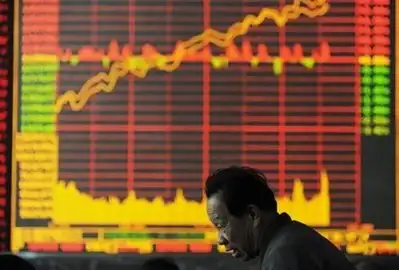
Asian stocks and bonds rose tracking a rally on Wall Street as a pullback in oil prices eased inflation concerns. The yen was mostly steady ahead of the Bank of Japan’s interest-rate decision, with traders expecting a hike.
3% with South Korea’s Kospi index leading gains. 1% on Thursday, its biggest advance since early August.
1% as US stocks rebounded from losses triggered by the Federal Reserve’s first rate hike since 2023. 00 a barrel as supply concerns eased and traders turned to the next round of diplomacy that could shape the US-Iran war.
02% Wednesday following the Fed move. Government bonds of similar tenor in Australia and New Zealand opened higher.
Lower energy prices could reduce pressure on consumer prices and give central banks more room to assess the impact of tighter monetary policy, offering support to both stocks and bonds. com.
Oil fell with Saudi Arabia seeking to restore about half the capacity of its key East-West pipeline within days after it was shut last week following drone strikes, easing some concerns over further supply losses stemming from the Iran conflict. Meanwhile, Reuters reported that China asked Iran to help rein in Yemen’s Tehran-backed Houthi militants, a move that could potentially ease disruptions around the Bab el-Mandeb, another strait vital to global shipping and energy markets.
Elsewhere, gold jumped on Thursday, snapping a three-day decline, while a Bloomberg gauge of the dollar pared some of its gains since the rate increase. UK government bonds also rallied after the Bank of England scrapped plans to sell long-dated gilts as part of its quantitative-tightening program.
The decision offered relief to a battered market, where 10- and 30-year yields had climbed to their highest levels since 2007 and 1998, respectively. The BOE left its benchmark rate unchanged on Thursday.
Meanwhile, Japan’s inflation slowed for the first time in four months, largely reflecting the effect of government subsidies, in data released hours before the BOJ. 25% from 1% on Friday, with governor Kazuo Ueda scheduled to hold a press conference after.