
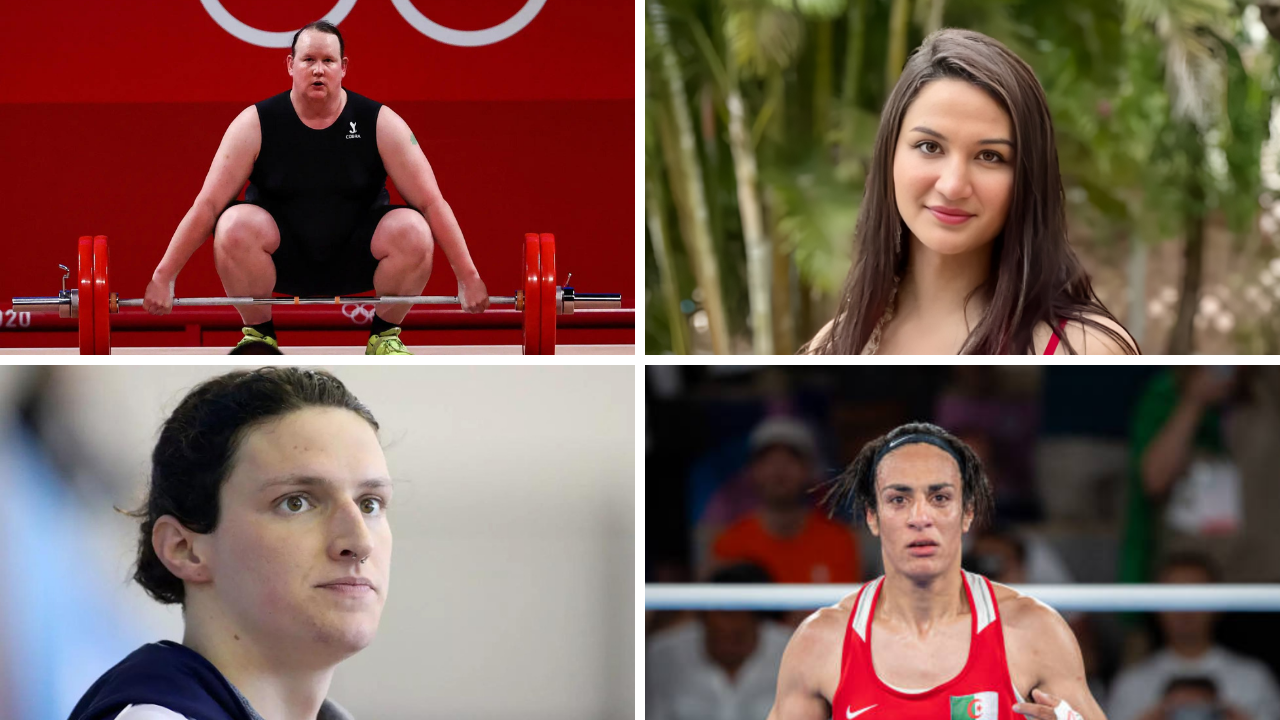
The biggest transgender and gender-eligibility debates in sport (Agency Images) NEW DELHI: Anaya Bangar's return to cricket has opened a much bigger conversation about transgender athletes in sport, one that now extends far beyond the cricket field. The former Mumbai Under-19 cricketer has received clearance from Cricket Australia to play women's community cricket in the country, giving her a route back into competitive cricket after beginning her transition in 2022.
Bangar can participate in Premier Cricket, which Cricket Australia classifies as community cricket, immediately. Her pathway to elite cricket from March 2027, however, comes with eligibility conditions, including a requirement to provide a blood test confirming that her serum testosterone remains below the prescribed threshold and that she continues to meet the governing body's policy requirements.
Anaya Bangar returns to cricketThe decision has already divided opinion. South Africa all-rounder Marizanne Kapp publicly criticised Cricket Australia's position, describing the decision as "absolutely ridiculous" and arguing against transgender women competing in women's cricket.
Bangar's case is therefore not simply about one cricketer. The Olympics have taken a very different routeLaurel Hubbard: the Olympic milestoneFew athletes illustrate that change more clearly than New Zealand weightlifter Laurel Hubbard.
Hubbard became the first openly transgender woman to compete at an Olympic Games when she took part in the women's super-heavyweight weightlifting competition at the Tokyo Olympics in 2021. She did not complete a successful lift in the competition and finished without a result.
At the time, her participation was viewed as a landmark moment for transgender representation in elite sport. Five years later, the IOC has adopted a fundamentally different approach.
From Los Angeles 2028, transgender women who do not satisfy the IOC's biological-sex eligibility requirements will not be eligible for the women's category at the Games. Lia Thomas and the battle that changed American college sportIn the United States, swimmer Lia Thomas became one of the most prominent figures in the debate.
Thomas competed for the University of Pennsylvania after transitioning and became the first openly transgender athlete to win an NCAA Division I individual title when she won the women's 500-yard freestyle in 2022. Her participation triggered intense debate over eligibility, fairness and the rules governing transgender athletes in collegiate sport.


