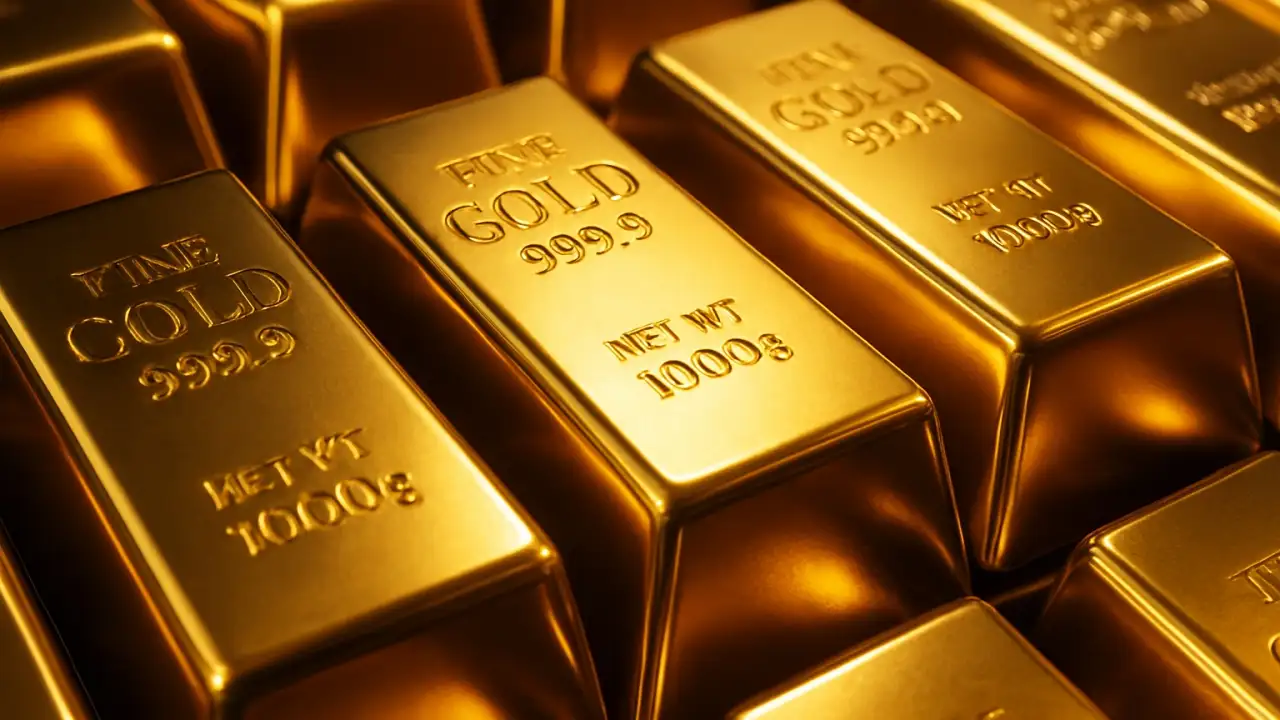
Gold regains momentum as weak dollar, safe haven demand and seasonal buying support prices
Gold prices have witnessed an impressive recovery over the past month, validating the reversal signals that emerged after the correction seen during July. What initially appeared to be a broader decline driven by a strong U.S. dollar and expectations of prolonged higher interest rates has now turned into a renewed bullish phase. International gold prices have surged by more than 16% during August, while MCX Gold Futures have gained nearly 14%, highlighting strong participation from both global and domestic investors.Weakening U.S. Dollar Provides Fresh MomentumA major catalyst behind the latest rally has been the sharp decline in the U.S. Dollar Index. The dollar index, which was trading around 101.50 levels a month ago, has corrected to nearly 98.50, providing a significant boost to precious metals. Since gold is denominated in U.S. dollars, a weaker greenback generally enhances its attractiveness for international buyers and investors. The recent weakness in the U.S. dollar reflects growing expectations that the Federal Reserve is nearing the end of its interest rate tightening cycle. While the U.S. economy remains relatively resilient, easing inflation concerns have reduced pressure on bond yields and improved the appeal of non-yielding assets such as gold.Geopolitical Risks Revive Safe-Haven DemandGeopolitical uncertainty has also emerged as an important source of support for gold. Ongoing tensions involving the United States and Iran, along with broader concerns surrounding the Middle East, have revived safe-haven demand. Investors traditionally turn to gold during periods of political uncertainty, military conflicts, and financial market volatility because of its historical role as a store of value. The possibility of disruptions to energy supplies through strategic routes such as the Strait of Hormuz has raised concerns about global economic stability and inflation.Central Bank Purchases Continue to Support PricesAnother key pillar supporting gold prices is the continued accumulation of gold reserves by central banks. Over the past few years, central banks, particularly those in emerging market economies, have consistently increased their gold holdings as part of efforts to diversify reserves and reduce dependence on dollar-denominated assets. This trend remains firmly in place and has become one of the most important structural drivers of the gold market.Chinese Investment Demand Remains ResilientAsian demand continues to play a crucial role in the global gold market. China, the world's largest consumer of gold, has maintained robust demand despite economic challenges in some sectors. Investors and households have increasingly turned to gold as a reliable store of wealth amid uncertainty in property markets and broader financial conditions. Demand for bars, coins, and investment products remains strong as Chinese consumers seek to preserve purchasing power and diversify savings.Indian Festive and Wedding Season Set to Boost DemandIndia, the second-largest gold consumer in the world, is also expected to contribute meaningfully to demand growth during the second half of the year. Although elevated prices have occasionally affected retail purchases in recent months, the outlook for physical demand remains positive. The country is now approaching its key festive and wedding season, a period that traditionally generates significant jewellery consumption. Improved monsoon conditions, stable agricultural activity, and expectations of better rural incomes could further support purchasing activity.Near-Term Outlook: Positive Bias Likely to ContinueLooking ahead, the outlook for gold for the remainder of the year remains constructive. The combination of a softer U.S. dollar, expectations of eventual monetary easing by the Federal Reserve, strong central bank purchases, geopolitical uncertainty, and seasonal demand from India creates a favorable environment for the precious metal. While profit booking after the recent sharp rally cannot be ruled out, any corrections are likely to be viewed as buying opportunities rather than the beginning of a larger downtrend.Long-Term Outlook: Structural Drivers Remain BullishFrom a long-term perspective, the fundamentals for gold remain highly supportive. Growing global debt levels, ongoing geopolitical fragmentation, reserve diversification by central banks, and increasing investor interest in portfolio hedging are structural factors that could continue supporting prices over the coming years. The trend toward reducing dependence on the U.S. dollar in international reserves also strengthens the long-term investment case for gold. For Indian investors, gold continues to serve not only as a hedge against inflation and currency depreciation but also as an effective tool for wealth preservation.Investment Perspective: Is This the Right Time to Buy Gold?Considering the current environment, this appears to be a favorable period for investors with a medium-to-long-term horizon. Although prices are trading near historically elevated levels, the underlying drivers of demand remain strong. A weakening dollar, sustained institutional buying, geopolitical uncertainty, and the upcoming festive season in India could keep buying momentum intact through the rest of the year. Investors should remain mindful of short-term volatility and occasional corrections following the significant August rally. However, such declines are likely to present accumulation opportunities rather than signal a reversal of the broader uptrend.(The author Hareesh V is Head of Commodity Research, Geojit Investments)(Disclaimer: Recommendations, suggestions, views and opinions given by the experts are their own. These do not represent the views of The Economic Times)