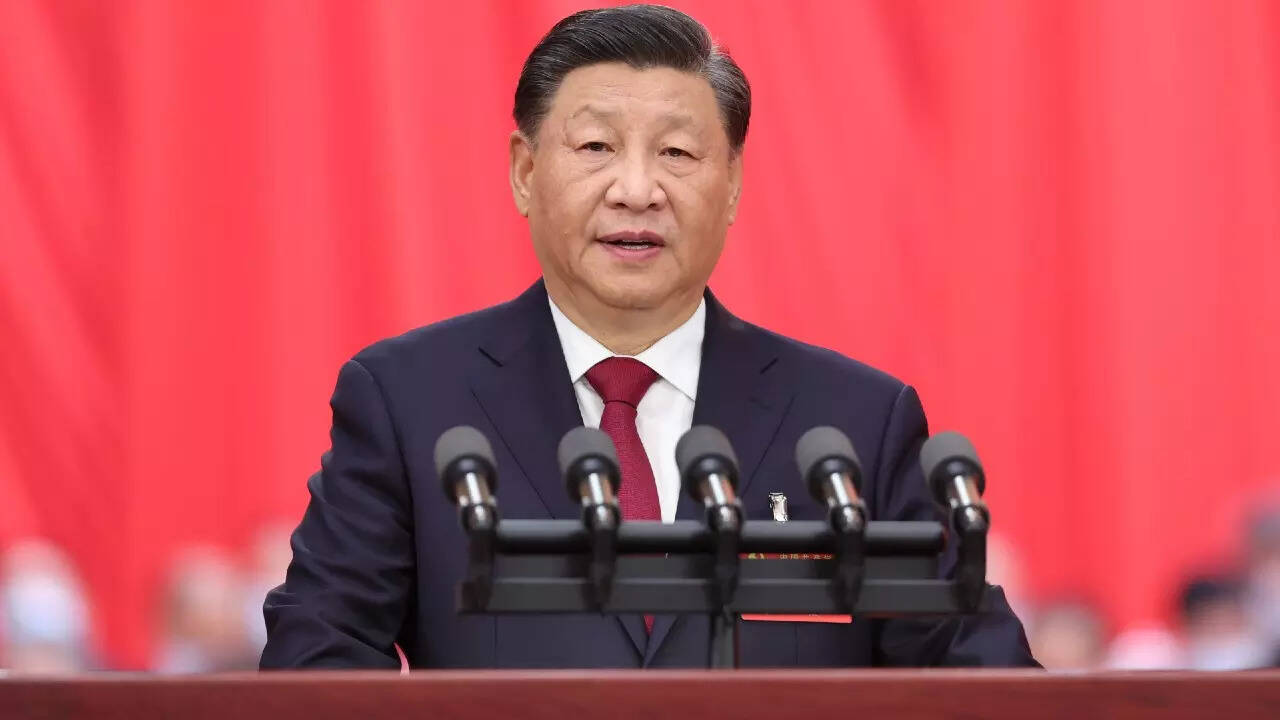
File photo: Chinese President Xi JinpingChina has privately asked Tehran to use its influence over Yemen’s Houthis to help rein in the Iran-backed group after Saudi Arabia appealed to Beijing for help, according to three Iranian sources familiar with the matter quoted by Reuters. The appeal came after the Houthis made rapid advances along Yemen’s Red Sea coast and around the Bab el-Mandeb Strait over the past week, leaving Saudi oil exports and shipping more exposed, the sources said.
China has publicly called for restraint, dialogue and the restoration of safe navigation. But its private message to Tehran went further, with Beijing asking Iran to help prevent the conflict from spreading across energy routes on which China, the world’s second-largest economy, depends.
The Iranian sources, who spoke on condition of anonymity, did not say how the message was delivered or whether it was conveyed during Iranian foreign minister Abbas Araqchi’s visit to China on Wednesday. They said Tehran responded that stability and peace in the region depended on ending the US-Israeli war on Iran.
Chinese officials did not issue explicit threats or indicate that Beijing would impose economic pressure on Tehran if it failed to use its influence over the Houthis, the sources said. In response to a Reuters request for comment, China’s foreign ministry said, “China does not wish to see regional tensions further spill over into Yemen and the Red Sea.
”“The sovereignty and security of all countries should be respected, and facilities vital to people's livelihoods must not be targeted. China calls for an end to actions that further complicate the situation and urges resolving issues through dialogue and negotiation,” it added.
China’s stakes in Iran and the GulfChina has been Iran’s largest trading partner for more than a decade and remains its main buyer of oil. “Beijing is one of the few capitals that can still press Iran to rein in the Houthis,” a senior Western diplomat in the region said.
The Houthis emerged in the 1990s in opposition to Saudi Arabia’s Sunni religious influence in Yemen and are armed, trained and funded by Iran, according to Iranian sources and Western countries. Alex Vatanka, director of the Iran Program at the Middle East Institute in Washington, said China’s interests in the Middle East went beyond its relationship with Iran.
“Iran can disrupt Hormuz. But at some point that leverage begins hurting the very power Tehran increasingly depends on,” Vatanka said.