
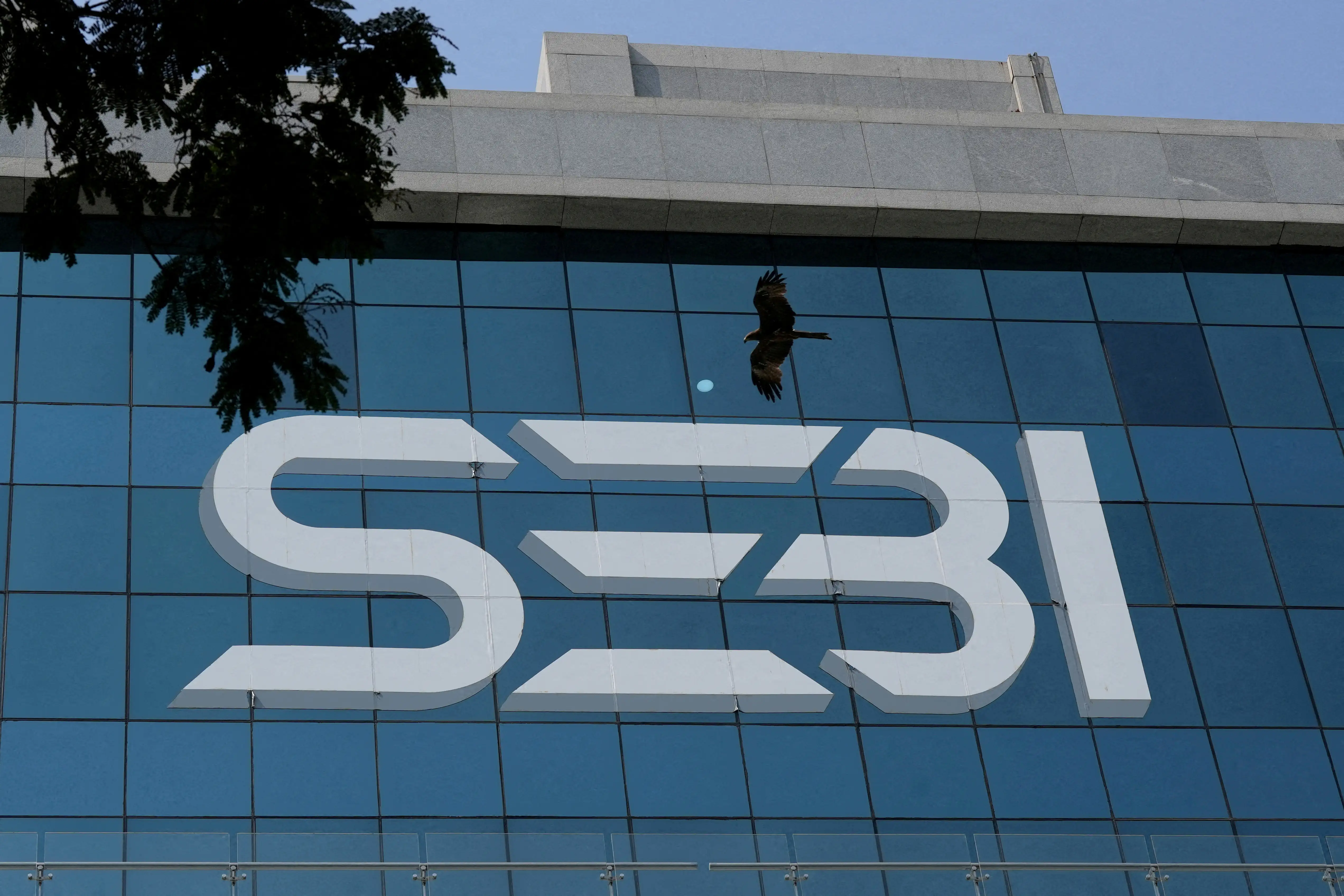
Shares of capital market stocks jumped up to 4% on Tuesday after a report said market regulator Sebi may partly reverse some rules related to the Closing Auction Session (CAS), which has led to sharp volatility in Sensex and Nifty since its inception in August. The Securities and Exchange Board of India (SEBI) will likely stop using closing auctions to calculate derivatives settlement prices for at least one year and instead use the volume-weighted average price of the last 30 minutes of trading to determine the derivative pricing, people familiar with the matter told Reuters.
This would mark a partial reversal of the new mechanisms introduced to set closing prices of key stocks and derivative contracts. The report added that the closing auction will still be used to determine the end-of-day price for underlying stocks in the less liquid cash market.
The market regulator will likely announce these changes by the end of this month, the report further said.. Sebi had proposed to stop publishing the indicative value of an index and publish only the indicative prices of individual stocks during the 10-minute CAS window, arguing that the index value was still being determined.
However, Reuters reported that Sebi received feedback that sophisticated trading desks could reconstruct those values independently and removing them would reduce transparency without addressing manipulation concerns. While Sebi agreed with the feedback, it would push for greater awareness among investors that the underlying index price is only determined at the end of the 10-minute window, the report added.
Stock exchanges introduced the new CAS system from August 3, changing the way closing prices are calculated for stocks included in the futures and options (F&O) segment. Under CAS, continuous trading in stocks that also have F&O contracts ends at 3:15 pm.
However, this does not mean these stocks are closed for the day 15 minutes before the broader market shuts. From 3:15 pm onwards, these stocks move into the CAS, a 20-minute auction process that runs until 3:35 pm to determine their official closing prices.
Meanwhile, stocks that are not part of the F&O segment continue to trade as usual until 3:30 pm. During the 20-minute auction window, buy and sell orders for eligible stocks are collected and matched at a single equilibrium price.
This mechanism is aimed at improving price discovery and reducing the impact of last-minute trades on closing prices. CAS issues easing?


![Assam Career 2026 : CMERTI Jorhat Recruitment [7 posts]](https://i0.wp.com/nenow.in/wp-content/uploads/2026/10/iiit-2026-10-06T123008.390.png?fit=900%2C500&ssl=1)
