SynopsisBSE’s new Closing Auction Session has faced weak participation, with Nuvama reporting sharp declines in option premium volumes and contracts. Thin liquidity is creating a self-reinforcing cycle, while early confusion, retail concerns and alleged CAS manipulation have further intensified scrutiny of the new closing-price mechanism.
comIndian stock exchanges introduced CAS on August 3, changing the way closing prices are calculated for stocks included in the futures and options (F&O) segment. The newly-introduced closing auction session (CAS) led to weak participation in BSE, with Nuvama highlighting that the thin liquidity appears to be "feeding on itself", discouraging further volumes and weighing on earnings.
However, the brokerage suggests this vicious cycle can only be broken by higher participation. In its weekly report, it noted that BSE’s index option premium volumes (ADPTV) stood at around Rs 15,600 crore during the week which ended this Friday.
This marks a sharp 14% plunge from the previous week. 6 crore.
This overall resulted in a 6% WoW decline in premium per contract to Rs 1,631, according to calculations made by Nuvama Institutional Equities. This highlights investor worries around the newly introduced closing auction system.
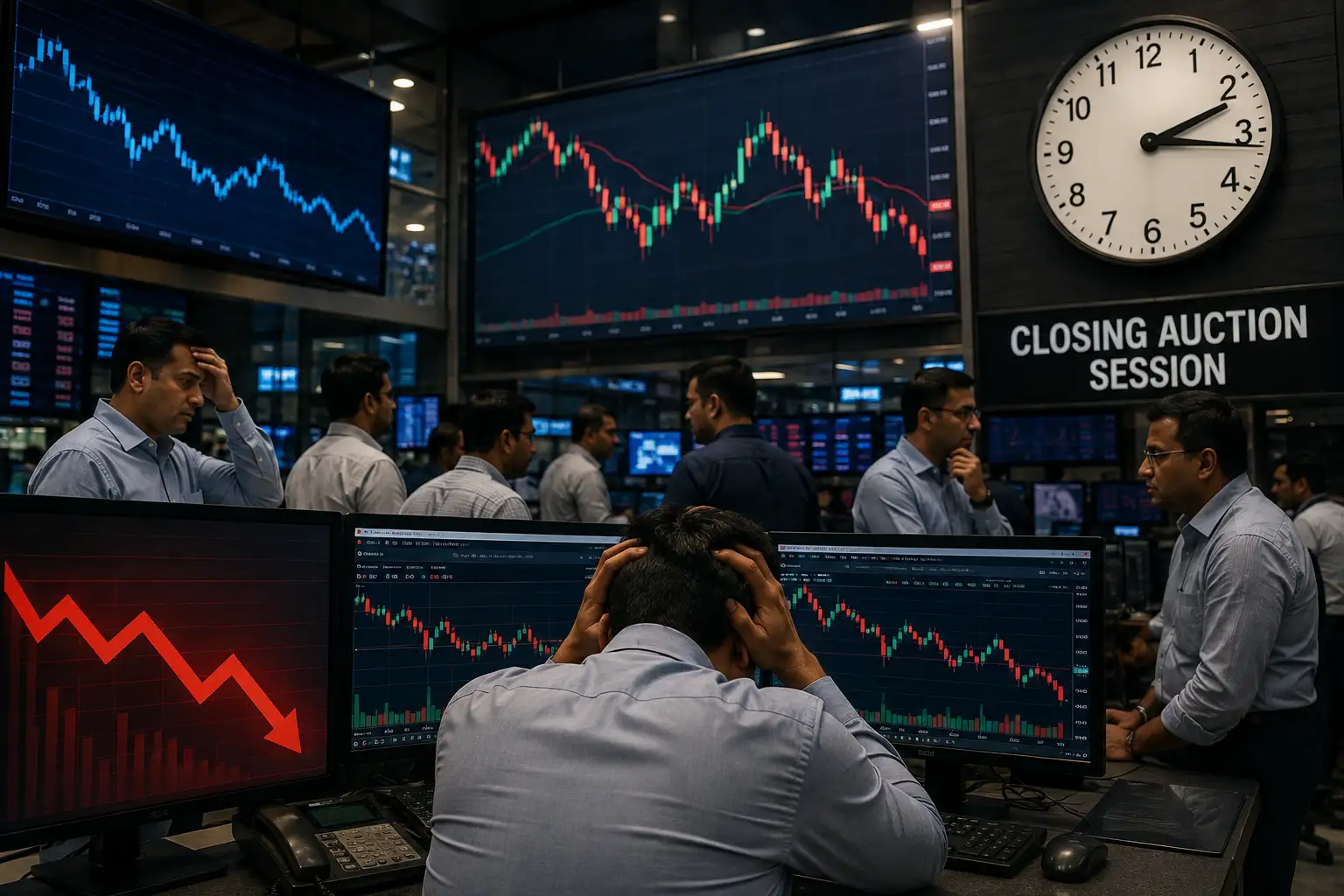
What is CAS? Indian stock exchanges introduced CAS on August 3, changing the way closing prices are calculated for stocks included in the futures and options (F&O) segment.
Under CAS, continuous trading in stocks that also have F&O contracts ends at 3:15 pm. However, this does not mean these stocks are closed for the day 15 minutes before the broader market shuts.
From 3:15 pm onwards, these stocks move into the CAS, a 20-minute auction process that runs until 3:35 pm to determine their official closing prices. Meanwhile, stocks that are not part of the F&O segment continue to trade as usual until 3:30 pm.
During the 20-minute auction window, buy and sell orders for eligible stocks are collected and matched at a single equilibrium price. This mechanism is aimed at improving price discovery and reducing the impact of last-minute trades on closing prices.
CAS chaos unfoldsThe introduction of CAS sparked confusion among market participants, resulting in lower participation. A sharp divergence was seen in the benchmark indices Sensex and Nifty, with several retail traders going on to the extent of declaring a boycott on August 12.