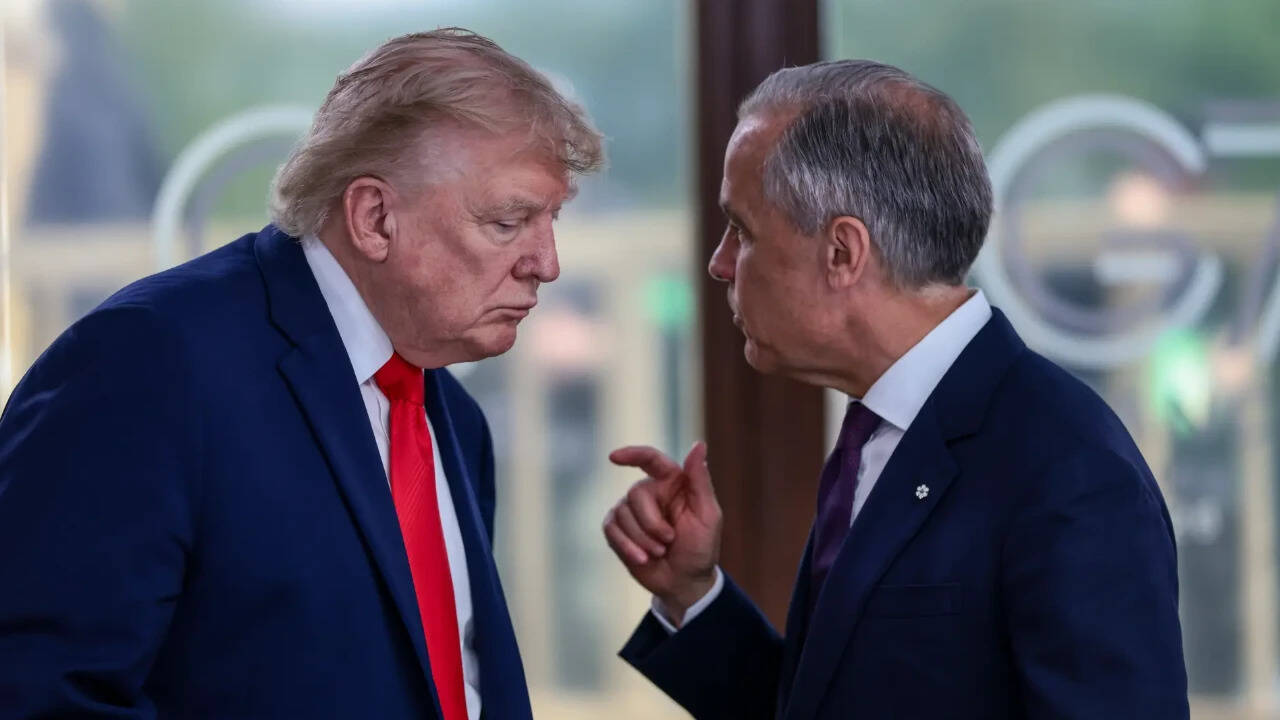
Trade negotiations between Canada and the United States collapsed this week after Canadian Prime Minister Mark Carney walked away from discussions, stating Washington had "asked too much and offered too little." Hours later, US President Donald Trump imposed 50% tariffs on approximately $20 billion worth of Canadian imports.
In response, Carney pledged dollar-for-dollar retaliatory tariffs scheduled to take effect on September 8. The retaliatory measures will target several American sectors, including steel, dairy, appliances, agricultural equipment, pulp and paper, and electronics.
Key economic and cross-border figures underlying the dispute include:
$880 billion: Total value of goods and services traded between the two countries last year. 75%: Approximate share of Canada's goods exports destined for the US.
5,525 miles: Length of the shared, largely undefended border. $2 billion: Approximate value of goods crossing the border each day, along with about 330,000 people.
The breakdown followed discussions regarding lower tariffs on Canadian steel, aluminium, and automobiles, in exchange for Canada lifting certain retaliatory tariffs and restoring US alcohol products to provincial shelves. However, Carney stated that Washington introduced new demands that would restrict Canada's ability to negotiate trade deals with other countries, threaten language and cultural protections, and leave auto-component rules unchanged.
US Trade Representative Jamieson Greer contested this account, stating Washington offered favorable treatment but Ottawa retreated from commitments made during negotiations.
The US tariffs cover roughly 5% of Canadian exports to the US, targeting items such as hockey equipment, clothing, cement, dairy, and forestry products, while excluding oil, gas, electricity, and potash. The Canadian Chamber of Commerce described the tariffs as a "body blow to North American competitiveness," and one Canadian trade economist estimated the measures could cost over 90,000 jobs.
To assist impacted businesses, Carney promised C$25 billion in financial support and outlined plans to double non-American exports over the next decade by looking to international partners such as China. Meanwhile, Ontario Premier Doug Ford called for critical minerals, steel, and nickel to be placed on the table in negotiations.
The dispute has also raised questions about the United States-Mexico-Canada Agreement (USMCA), which underpins nearly $2 trillion in regional trade. The Trump administration has already declined Canada's request for a 16-year extension of the pact.