A fresh wave of US tariffs on a wide array of Canadian goods came into effect on Saturday after a last-minute breakdown in trade talks. Trade negotiators had been engaged in intense talks since July, after President Donald Trump threatened to impose a 50% levy on nearly $20bn (C$28bn; £14bn) of Canadian imports by 19 August.
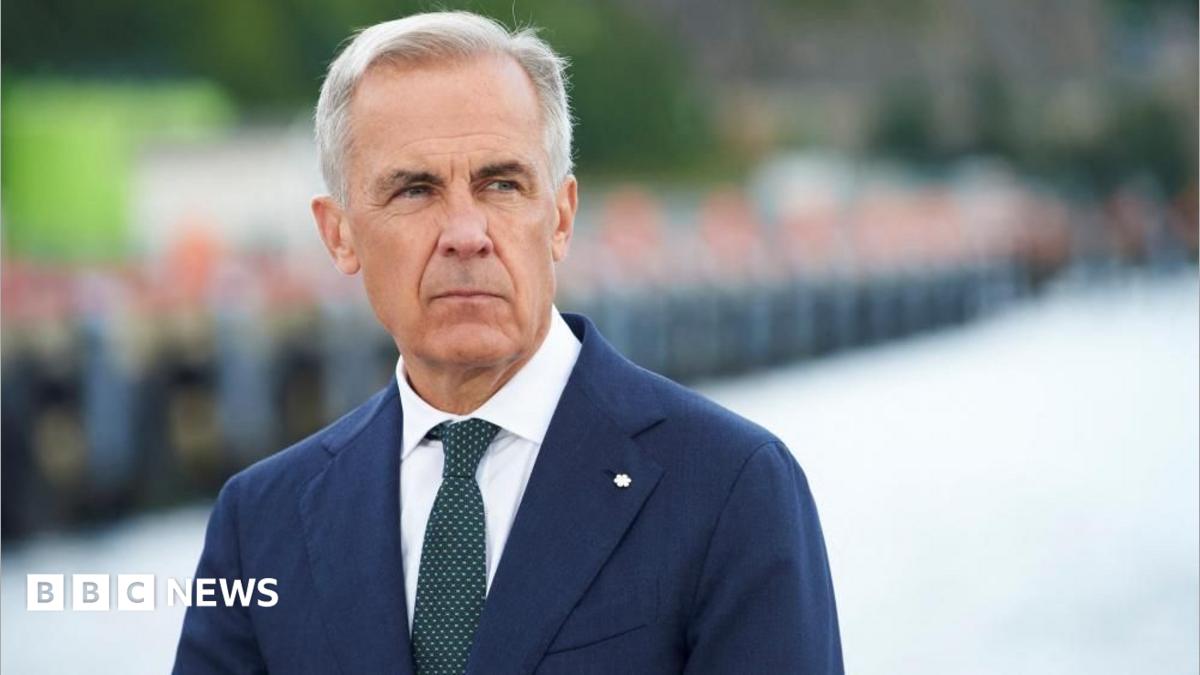
Trump had temporarily paused those tariffs earlier in the week, saying the two sides were close to signing a trade deal that was "very good" for both countries. But minutes before the deadline for a deal, Carney said that while "important progress" had been made in the talks it was "not enough to meet our objectives for Canadians"."
As a result, this evening, I have decided to suspend trade negotiations with the US and have directed negotiators to return to Ottawa," he said." Last-minute changes in the US proposed terms were unfair, uneconomic, and called into question the reliability of any deal."
After Carney's announcement US trade representative Jamieson Greer said in a statement: " Tonight, Canada declined to finalise the trade deal under the terms agreed earlier this week." Despite the US offer to Canada to receive the best treatment of any major exporter to our market, new demands and walk backs of other commitments by Canada have upended the careful balance reached in the past days."
The breakdown in talks marks a significant shift in tone from earlier in the week, when both US and Canadian officials sounded optimistic that a trade deal beneficial for both countries was within reach. In exchange, Carney had asked Canadian provinces to restore US alcohol to store shelves.
The breakdown of the talks puts the US-Canada relationship in uncharted territory, and will be a major test for Carney's premiership. The two countries have developed one of the world's most deeply economically integrated trading relationships, and Canada sends approximately 70% of its exports south.
Now that talks have broken down, Canada will be hit with new 50% US tariffs imposed by Trump using a Depression-era law called the Tariff Act of 1930. They will be applied on a range of goods, about 5% of Canadian exports, including wine, dairy, cement, clothing and hockey equipment.
The new levies are in addition to existing tariffs the US had already imposed on Canadian steel and aluminium, autos and lumber. Businesses and stakeholders on both sides of the border had pushed for a deal to be reached, arguing that the new US tariffs on Canada will be harmful to both countries.