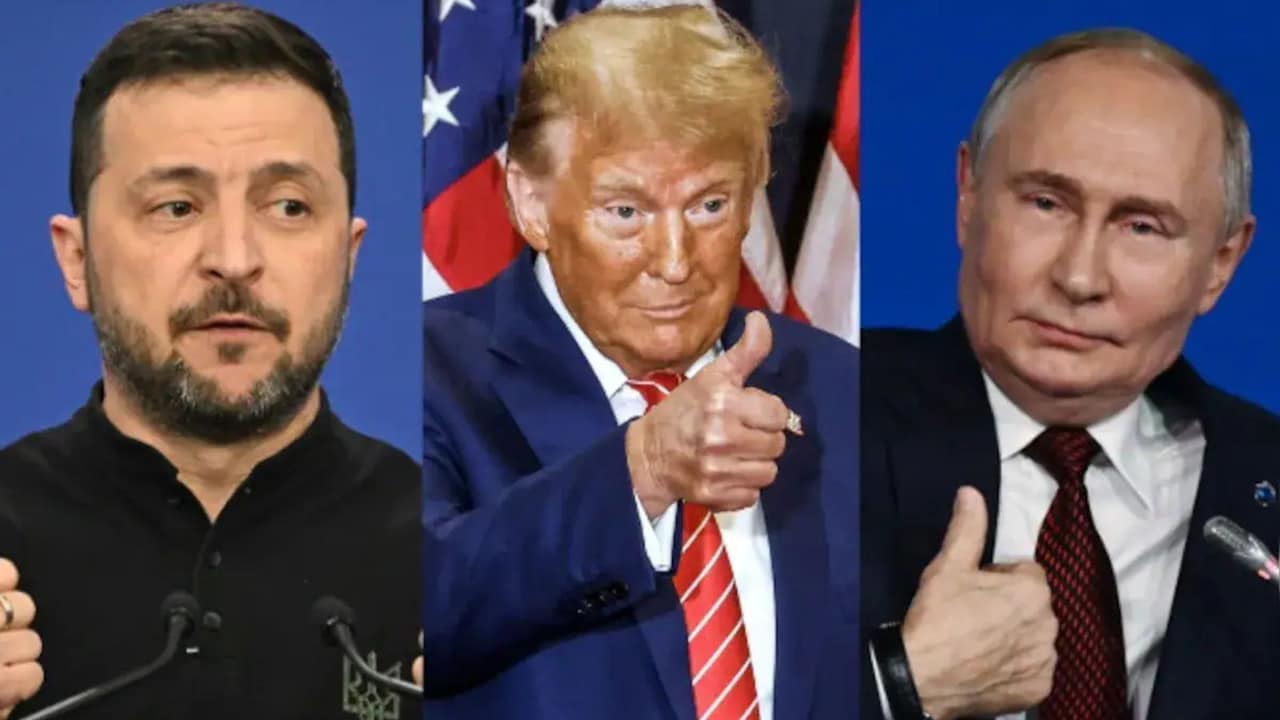

Figure caption, BBC’s Samira Hussain explains what needs to happen for Trump's $5,000 gift to become realityByAlex BoydUS President Donald Trump has offered every adult American $5,000 (£3,700) if Republicans win November's midterm elections, but it is unclear how such a plan would be funded and whether it is legal. Trump also told the Republican conference that the money would have to be spent in the US, but it is unclear how that would be monitored.
US Vice-President JD Vance suggested it might be paid for by tariff revenue and that such cheques would not go to wealthy Americans. Is Trump's offer legal?
Under US federal law, it is illegal to give payments that are intended to influence the way a person is voting. However, some experts have said the offer made by Trump in Texas on Wednesday could be seen as a pledge to cut taxes, which is legal.
Dr Joan Mahoney, lecturer in law at the University of Southampton, told the BBC she thought the offer would be legal, though she said politicians "don't usually do it quite this explicitly"." On the one hand it sounds a bit like a bribe, vote for the Republicans and you'll get money, which would be decidedly illegal," she said."
But on the other hand it would go to everyone, regardless of how they voted so it isn't in that sense a bribe." I think it would be legal.
It's the same kind of campaign pledge as saying 'if my party wins we'll reduce taxes'. Every party does that all the time...
and that's obviously perfectly legal." However, Laurel Rapp, director of the US and North America programme at Chatham House, told the BBC that Trump's offer seemed to be "a very different, very transactional agreement" from the kind of promise usually made by candidates in an election period.
Figure caption, Watch: BBC North America editor Sarah Smith looks into whether Trump's promise stands upHow much would it cost? Aside from the question of legality, some have also asked whether Trump's offer would be feasible financially in the context of increasing US debt, partially as a result of the war in Iran.
3 trillion. Trump gave no details on how such cheques would be funded.
Congress authorises spending in the US, but the president did not say whether he planned to ask for legislative approval for any payments. And legal experts said it was unlikely he could approve such a vast sum via a presidential executive order.