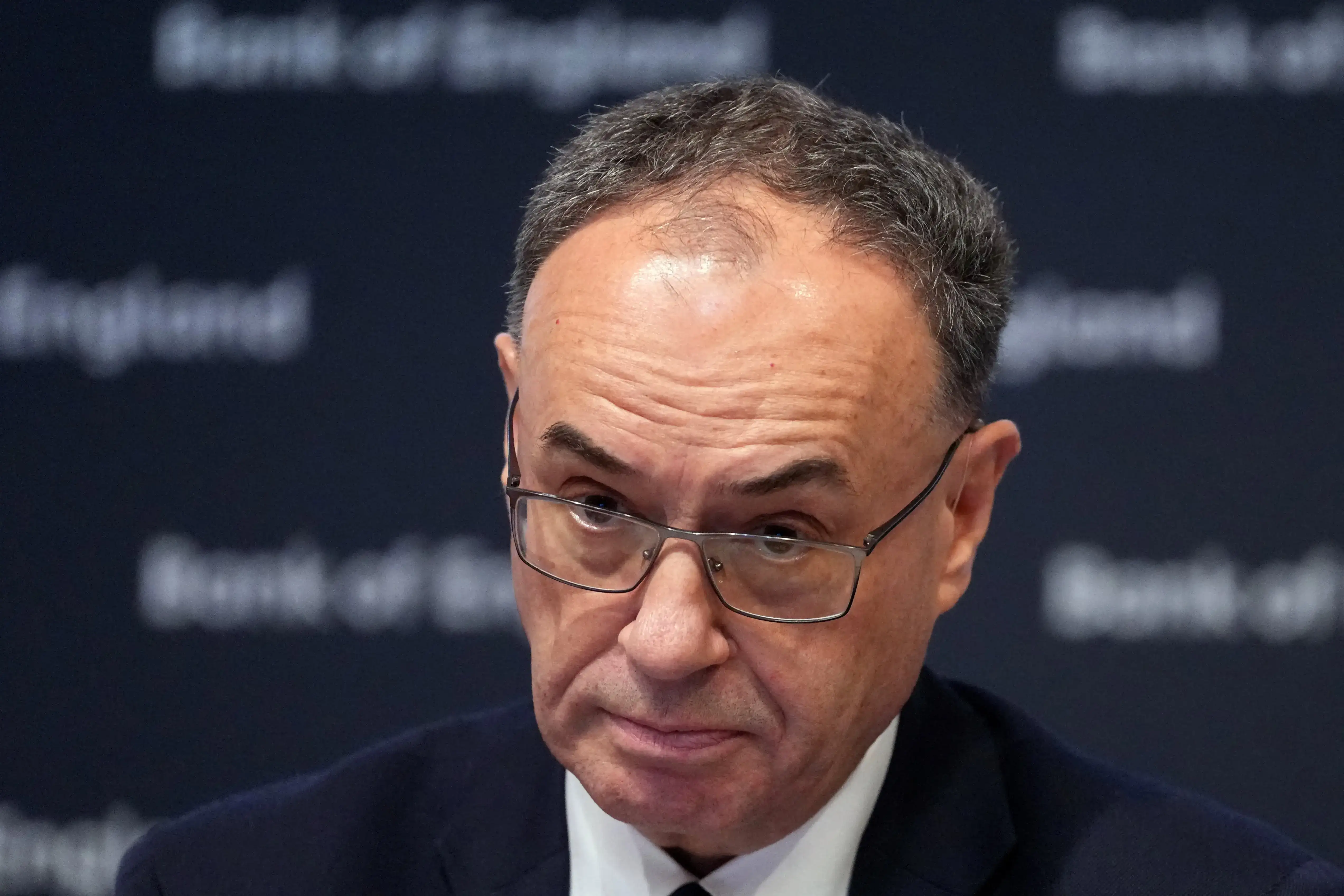
SynopsisBank of England Governor Andrew Bailey said rising energy prices have had limited broader inflationary effects so far, but warned that second-round pressures remain uncertain. 1%, above the 2% target, policymakers are weighing potential interest rate hikes against economic resilience, rising borrowing costs and geopolitical uncertainty.
AgenciesMost economists now expect the Bank of England (BoE) to begin raising interest rates next month. Bank of England Governor Andrew Bailey said on Friday that soaring energy prices had so far had limited broader effects on British prices, but warned that it was too early to assess the full extent of potential second-round inflationary pressures, according to a report by Reuters.
According to the report, Bailey said the evidence of wider price pressures remained subdued, with businesses focusing heavily on cutting costs and struggling to pass higher energy expenses on to customers. 75% last month, with six members of its Monetary Policy Committee voting to keep rates unchanged and three favouring a different decision.
Bailey was among the majority but had indicated that monetary tightening could become necessary if the risk of second-round inflation effects increased. Speaking at a meeting of the Institute of International Finance in Bangkok, Bailey said policymakers needed more time to determine whether the initial energy price shock would translate into broader and more persistent inflation.
Bailey said his discussions with businesses across Britain suggested that companies were prioritising cost reductions and facing difficulties in passing higher energy costs on to consumers. However, other BoE policymakers have warned that waiting for conclusive evidence of second-round effects could leave the central bank behind the curve.
Annual pay settlements expected in early 2027 could provide a clearer indication of whether higher energy costs are feeding into wages and sustaining inflation. Bailey also said the British economy was proving more resilient than policymakers had anticipated.
Data released on Thursday showed that annual economic growth in August was the strongest since October 2022, providing a more encouraging picture of economic activity despite persistent price pressures, as per the report. Nevertheless, inflation remains a significant concern for the central bank.
1% as deeply frustrating, as it remained well above the BoE's 2% target. He attributed the overshoot primarily to conflicts in the Middle East, which have pushed energy prices higher.