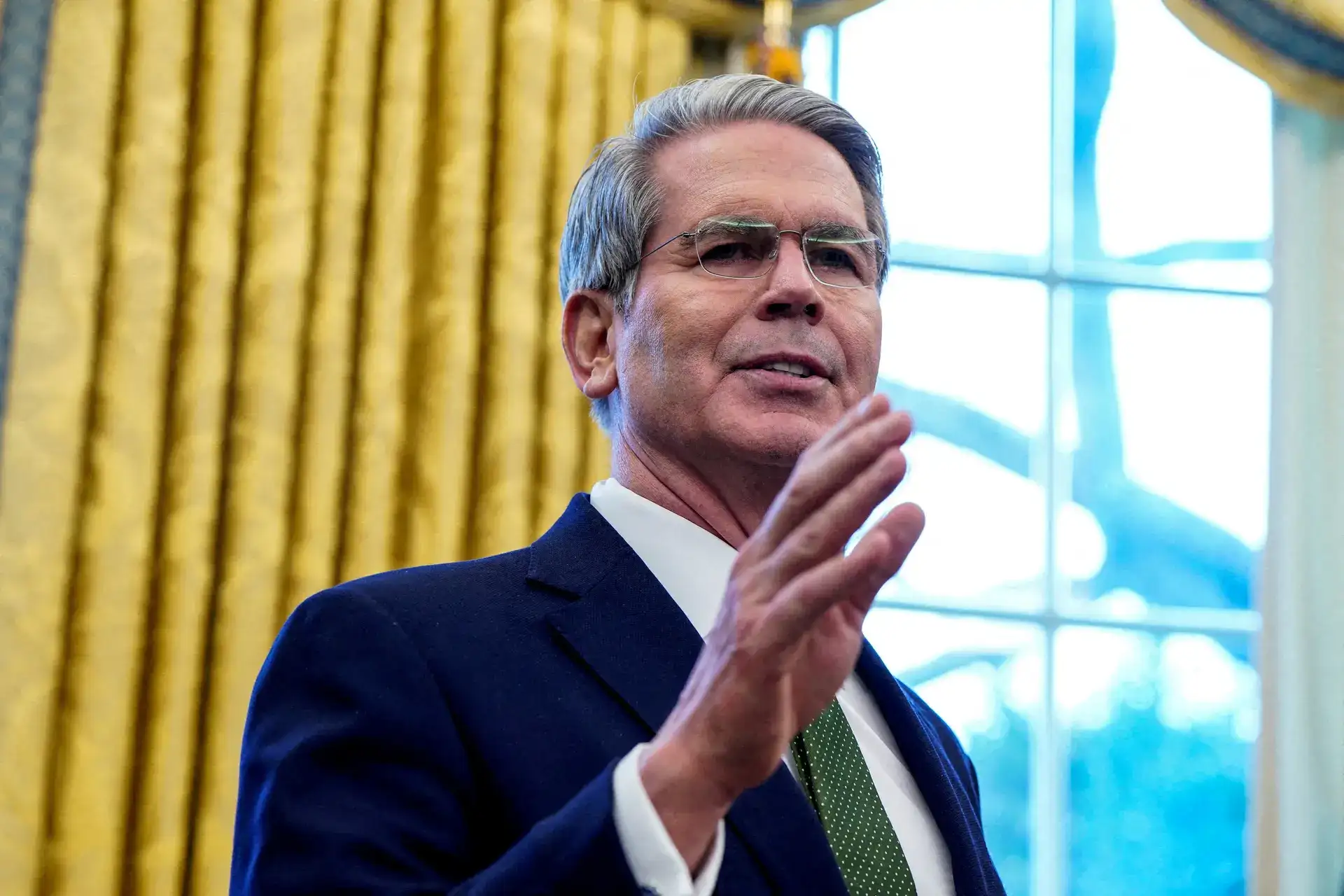
S. Treasury Secretary Scott Bessent’s efforts to ease pressure in the government bond market have so far delivered only limited relief, with long-term yields climbing again after an initial decline triggered by increased Treasury purchases, AP reported.
The Treasury has expanded its buyback operations in an attempt to improve liquidity and support longer-dated government bonds. S.
fiscal deficit, heavy government borrowing and persistent inflation concerns. CNBC reported that the initial market response to the Treasury’s intervention faded as yields rebounded.
7%, while the 30-year yield also regained ground after initially falling following the Treasury’s announcement. The reversal suggests that investors remain unconvinced that bond purchases alone can address the factors pushing long-term borrowing costs higher.
According to the Associated Press, the Treasury has increased the size of its buyback operations to as much as $4 billion each. S.
government bond market. S.
government is expected to issue hundreds of billions of dollars of debt during the current quarter, adding to the supply that investors must absorb. Read more: US Treasury's Bessent says upsized bond buybacks could increase furtherFiscal concerns remain the bigger problemThe renewed pressure on Treasury yields reflects concerns that go well beyond market liquidity.
S. national debt has now crossed the $40 trillion mark, while the federal budget deficit is projected to exceed $2 trillion.
Higher borrowing requirements can put upward pressure on bond yields as the government competes with other borrowers for capital. The Associated Press also highlighted growing borrowing needs from technology companies investing heavily in artificial-intelligence infrastructure, creating another source of demand for capital.
The combination of large government financing needs and rising private-sector investment could keep upward pressure on long-term interest rates even if the Treasury continues to intervene in the market. Inflation and the Federal Reserve add uncertaintyInflation is another major obstacle.
Higher oil prices linked to geopolitical tensions have complicated the outlook for consumer prices, making investors less confident that inflation will quickly return to the Federal Reserve’s 2% target. The market is also watching the Federal Reserve closely as Kevin Warsh begins his tenure as chair.