Dibrugarh, Aug 22: For families who have spent years navigating complicated diagnoses, expensive medicines and the uncertainty of living with a rare disease, a new chapter of hope has begun at Assam Medical College and Hospital (AMCH). AMCH on Friday officially initiated treatment for patients suffering from rare health conditions, marking a historic milestone for the medical institution and for patients across Assam and the North East who have long struggled to access specialised care close to home.
On the day of the formal launch at the Super Speciality Block of AMCH, at least 15 patients diagnosed with rare diseases arrived for treatment. They came from different parts of the State, including Guwahati, Tezpur, Nagaon and Sipajhar, as well as from neighbouring Tripura.
The initiative is particularly significant because AMCH was designated a Centre of Excellence for Rare Diseases under the National Policy for Rare Diseases (NPRD), 2021, by the Union Ministry of Health and Family Welfare’s Rare Disease Cell last year. AMCH is the first medical institute in Assam and the second in the North East to receive this designation.
For patients and their families, the development is more than an institutional achievement. It offers the possibility of receiving life-changing treatment without having to travel to distant parts of the country or bear the exorbitant cost of specialised medicines on their own.
Under the NPRD 2021 guidelines, eligible patients can receive central financial assistance of up to Rs 50 lakh for treatment. AMCH has so far identified 85 patients suffering from various rare conditions.
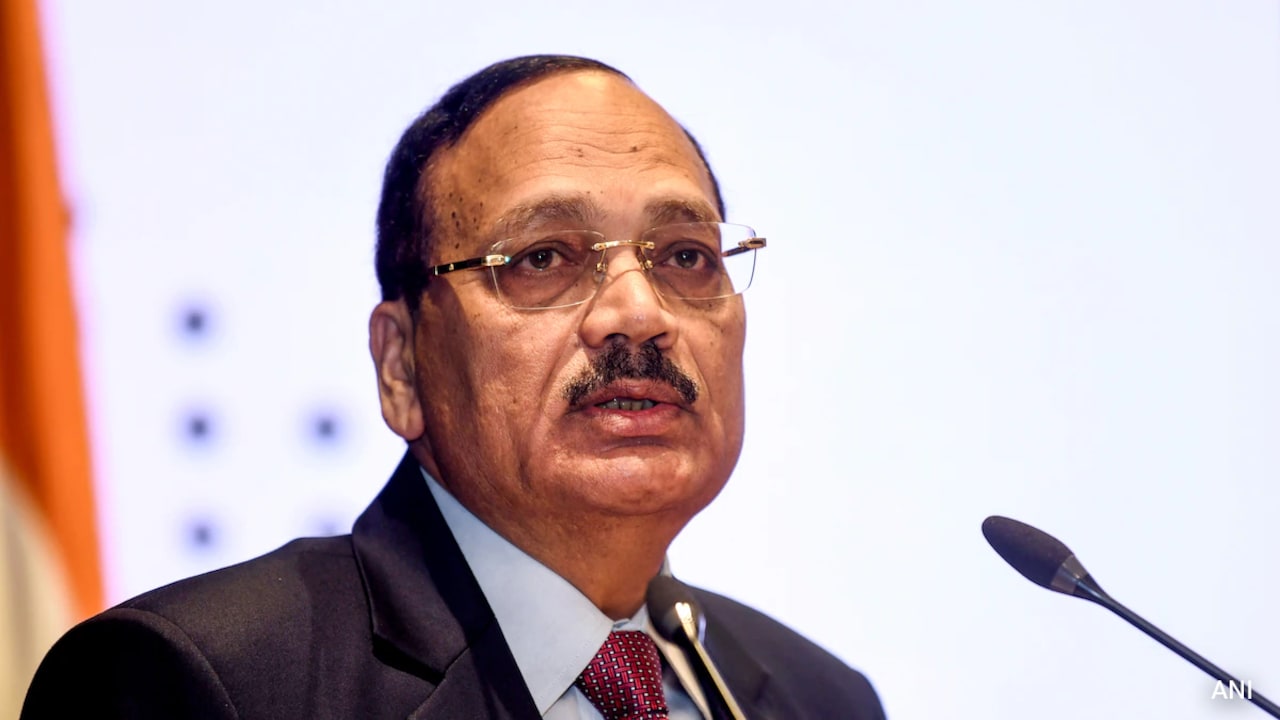
These include 21 cases of Spinal Muscular Atrophy (SMA), 50 cases of Duchenne Muscular Dystrophy, three cases of Gaucher Disease, two cases of Mucopolysaccharidosis and one each of Cystic Fibrosis, Wiskott-Aldrich Syndrome, Mucolipidosis II Alpha/Beta, Osteogenesis Imperfecta, Hyperinsulinemia Hypoglycemia, Glycogen Storage Disorder, Prader-Willi Syndrome, Turner Syndrome and Galactosemia. Explaining the significance of the initiative, AMCH Principal Dr Sanjeeb Kakati said the treatment of rare diseases was challenging not only because of the complexity of diagnosis but also because of the enormous cost of medicines.
“For several rare diseases, there is no treatment as of today, although medical science is making every effort to find one. The greatest hope is that some rare diseases can now be treated and medicines are available,” Kakati said.