
SynopsisNSE’s expected IPO price of Rs 1,700-1,785 could fall below its unlisted-market trading range, potentially leaving investors with notional losses. The listing, expected in September, will test private-market valuations and investor expectations surrounding India’s biggest exchange.
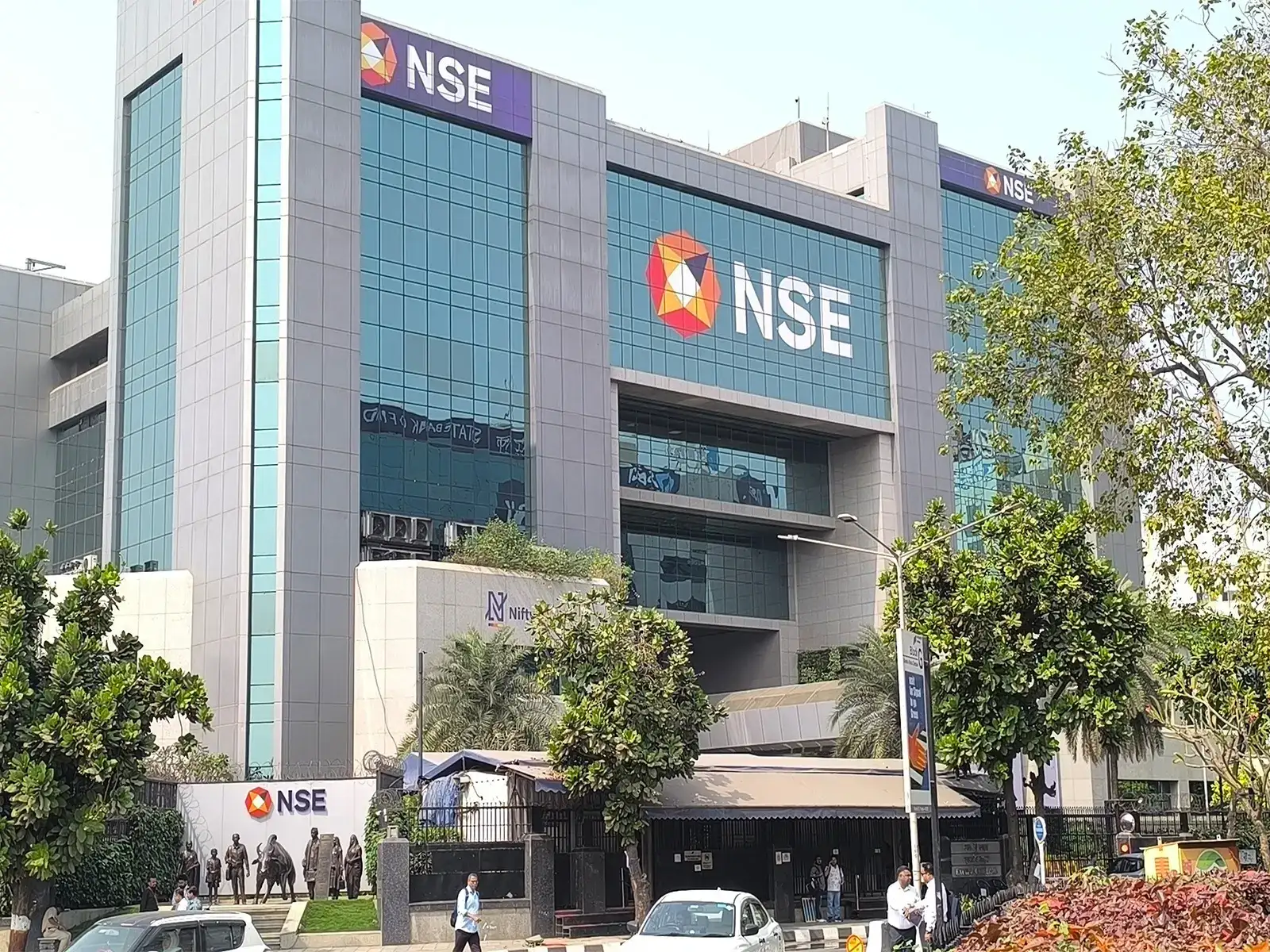
AgenciesNSE’s upcoming IPO could be priced below unlisted-market levels, raising the risk of losses for investors who bought shares at higher prices. NSE's much-awaited IPO may leave many unlisted market investors staring at notional losses, with the exchange expected to price the issue below the levels at which its shares have traded privately over the past year.
NSE is likely to price its IPO in the range of Rs 1,700-1,785 per share, Bloomberg reported. That is below the Rs 1,950-2,200 range in which NSE shares have traded in the unlisted market over the last one year.
The IPO could open around September 18 and the stock may list by September 25, according to sources. The final price band and dates will be known once the exchange files its red herring prospectus.
Unlisted investors face discount riskThe expected IPO pricing means investors who bought NSE shares in the unlisted market at higher levels may face losses if the stock lists close to the offer price or below their purchase cost. NSE has been one of the most active and widely tracked names in the unlisted market.
Many investors entered the stock ahead of the IPO, betting that the exchange’s strong franchise, dominant position and long wait for listing would lead to a premium debut. But the expected pricing now suggests that the IPO may come at a discount to the private market price.
This is not unusual in large IPOs, where issuers and bankers often prefer to leave some room for public market investors. But for those who bought shares at Rs 1,950-2,200, the discount could be painful in the near term..
Unlike listed stocks, unlisted shares trade in a less liquid market, where prices can move sharply on IPO expectations, limited supply and investor demand. IPO launch nears after long waitNSE’s listing has been one of the most-awaited events in India’s capital market.
The exchange has been trying to go public for years, but the plan was delayed because of regulatory and legal issues. With Sebi approval now in place, the IPO has moved closer to launch.
The IPO is also expected to the largest issue of 2026. NSE is India’s biggest stock exchange and plays a central role in the country’s equity, derivatives and market infrastructure ecosystem.