
Over 100 Butterfly Species Recorded During Butterfly Walk at Nambor Wildlife Sanctuary
Local Source
Advertisement[ Ad Slot: article_top_banner ]
GOLAGHAT, AUG 9: More than 100 species of butterflies were recorded during a special Butterfly Walk at Nambor Wildlife Sanctuary in Golaghat district, highlighting the remarkable biodiversity of the region and the importance of conserving its natural habitats.
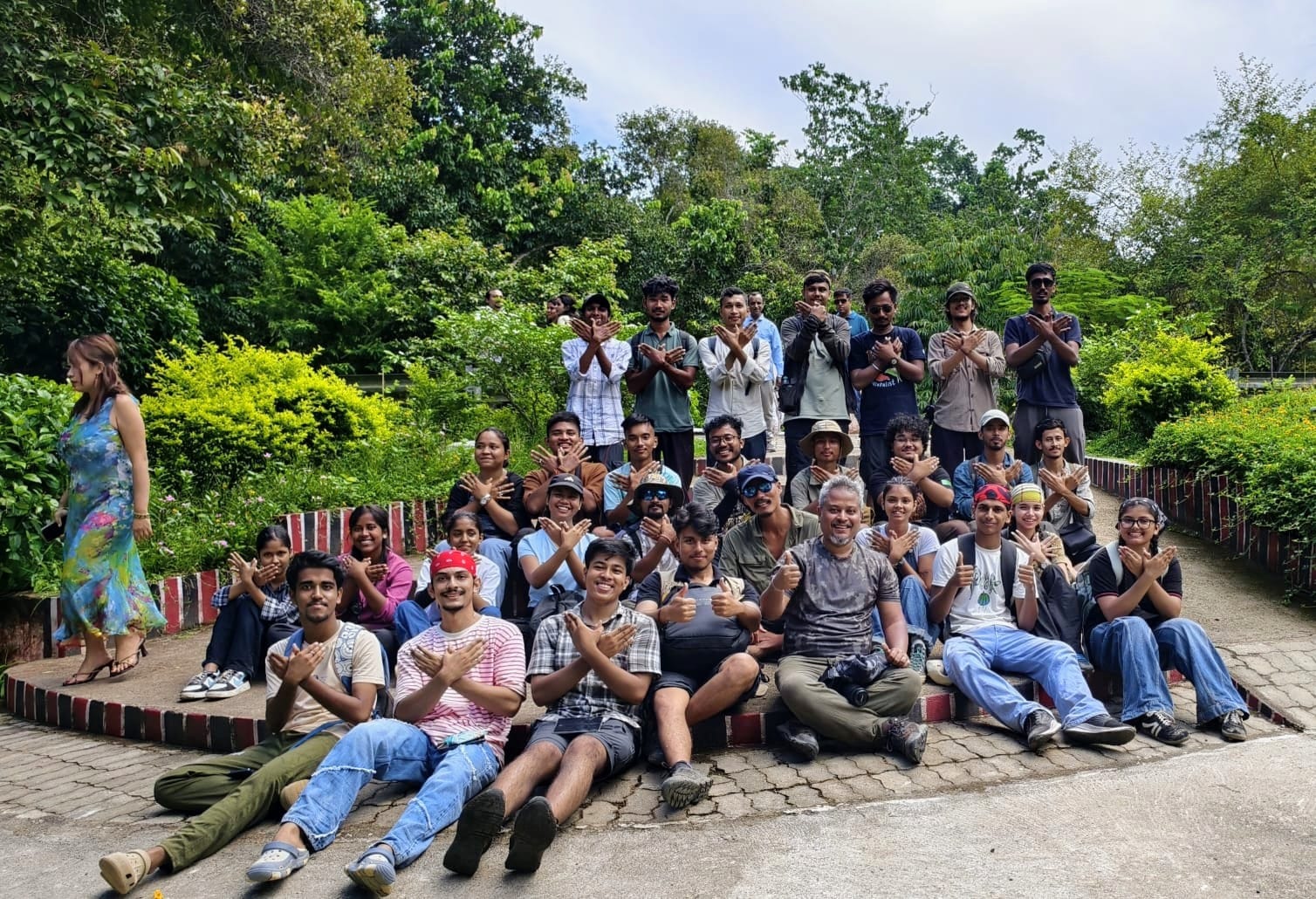
The event was organised by the Golaghat Nature Connect & Avian Society (GNCAS) and Wild Aid Assam, in collaboration with the Lepidopteran Society of Assam (LSA) and other nature conservation groups and organisations. The Assam Forest Department also participated in the initiative, bringing together conservationists, forest personnel, students, nature enthusiasts and wildlife photographers.
The walk began at 7 am from Garampani Park and was conducted under the theme “Observe • Identify • Photograph • Conserve.” The initiative aimed to encourage people, particularly young nature enthusiasts, to explore Assam’s butterfly diversity and develop a deeper understanding of the importance of conserving natural habitats.
Participants explored the diverse habitats around Nambor Wildlife Sanctuary and documented more than 100 butterfly species in a single day.
Among the notable observations were the Golden Birdwing, Branded Yamfly, Great Nawab, Common Faun, Rustic, Batwing and Great Archduke, along with a large number of other butterfly species.
The species observations offered participants an opportunity to learn about butterfly identification, behaviour and habitat preferences while documenting the biodiversity of the sanctuary.
Bringing conservation groups and communities together
The Butterfly Walk brought together people from different backgrounds, including members of conservation organisations, forest officials, students from schools and colleges, photographers, butterfly enthusiasts and volunteers.
For students and young participants, the programme provided an opportunity to experience butterflies in their natural surroundings and learn directly from experienced observers and conservationists. Photographers and butterfly enthusiasts also contributed to species documentation and identification during the walk.
The organisers said the initiative was intended to go beyond simply recording species. By encouraging participants to observe and understand butterflies, the programme sought to create greater appreciation for biodiversity and strengthen public interest in conservation.
The participation of the Assam Forest Department added an important institutional dimension to the initiative, bringing together government wildlife-management efforts with community-based and conservation-focused organisations.
Collaboration between the Forest Department, nature societies, conservation groups and educational communities can play an important role in increasing biodiversity awareness and encouraging responsible nature-based activities within and around protected areas.
Butterflies are an important component of forest ecosystems. They contribute to pollination and form part of food chains, while their presence and abundance can also provide useful indications of habitat conditions.
The documentation of more than 100 species during a single field programme demonstrates the richness of the butterfly fauna associated with the Nambor landscape and highlights the need to protect the habitats on which these species depend.
Regular butterfly walks and biodiversity documentation programmes can also encourage citizen participation in conservation and generate greater awareness about lesser-known components of Assam’s wildlife.
The central philosophy of the event was reflected in its theme: “Observe • Identify • Photograph • Conserve.”
Participants were encouraged to first observe species in their natural habitat, identify them, document their presence through photography and ultimately develop an appreciation for their conservation.
The successful recording of more than 100 butterfly species during the August 9 walk provided a strong reminder of the biodiversity that exists within Assam’s forests and the importance of maintaining healthy natural habitats.
The organisers expressed their gratitude to the Assam Forest Department, Lepidopteran Society of Assam, participating nature conservation groups and organisations, students, volunteers, photographers and all other participants for contributing to the success of the programme.
The Butterfly Walk at Nambor ultimately served not only as a biodiversity documentation exercise but also as a platform to connect people with nature and promote a shared responsibility towards conserving Assam’s extraordinary natural heritage.
The event was organised by the Golaghat Nature Connect & Avian Society (GNCAS) and Wild Aid Assam, in collaboration with the Lepidopteran Society of Assam (LSA) and other nature conservation groups and organisations. The Assam Forest Department also participated in the initiative, bringing together conservationists, forest personnel, students, nature enthusiasts and wildlife photographers.
The walk began at 7 am from Garampani Park and was conducted under the theme “Observe • Identify • Photograph • Conserve.” The initiative aimed to encourage people, particularly young nature enthusiasts, to explore Assam’s butterfly diversity and develop a deeper understanding of the importance of conserving natural habitats.
Participants explored the diverse habitats around Nambor Wildlife Sanctuary and documented more than 100 butterfly species in a single day.
Among the notable observations were the Golden Birdwing, Branded Yamfly, Great Nawab, Common Faun, Rustic, Batwing and Great Archduke, along with a large number of other butterfly species.
The species observations offered participants an opportunity to learn about butterfly identification, behaviour and habitat preferences while documenting the biodiversity of the sanctuary.
Bringing conservation groups and communities together
The Butterfly Walk brought together people from different backgrounds, including members of conservation organisations, forest officials, students from schools and colleges, photographers, butterfly enthusiasts and volunteers.
For students and young participants, the programme provided an opportunity to experience butterflies in their natural surroundings and learn directly from experienced observers and conservationists. Photographers and butterfly enthusiasts also contributed to species documentation and identification during the walk.
The organisers said the initiative was intended to go beyond simply recording species. By encouraging participants to observe and understand butterflies, the programme sought to create greater appreciation for biodiversity and strengthen public interest in conservation.
The participation of the Assam Forest Department added an important institutional dimension to the initiative, bringing together government wildlife-management efforts with community-based and conservation-focused organisations.
Collaboration between the Forest Department, nature societies, conservation groups and educational communities can play an important role in increasing biodiversity awareness and encouraging responsible nature-based activities within and around protected areas.
Butterflies are an important component of forest ecosystems. They contribute to pollination and form part of food chains, while their presence and abundance can also provide useful indications of habitat conditions.
The documentation of more than 100 species during a single field programme demonstrates the richness of the butterfly fauna associated with the Nambor landscape and highlights the need to protect the habitats on which these species depend.
Regular butterfly walks and biodiversity documentation programmes can also encourage citizen participation in conservation and generate greater awareness about lesser-known components of Assam’s wildlife.
The central philosophy of the event was reflected in its theme: “Observe • Identify • Photograph • Conserve.”
Participants were encouraged to first observe species in their natural habitat, identify them, document their presence through photography and ultimately develop an appreciation for their conservation.
The successful recording of more than 100 butterfly species during the August 9 walk provided a strong reminder of the biodiversity that exists within Assam’s forests and the importance of maintaining healthy natural habitats.
The organisers expressed their gratitude to the Assam Forest Department, Lepidopteran Society of Assam, participating nature conservation groups and organisations, students, volunteers, photographers and all other participants for contributing to the success of the programme.
The Butterfly Walk at Nambor ultimately served not only as a biodiversity documentation exercise but also as a platform to connect people with nature and promote a shared responsibility towards conserving Assam’s extraordinary natural heritage.