Carmakers Flagged E20 Contamination Before Withdrawing Complaint
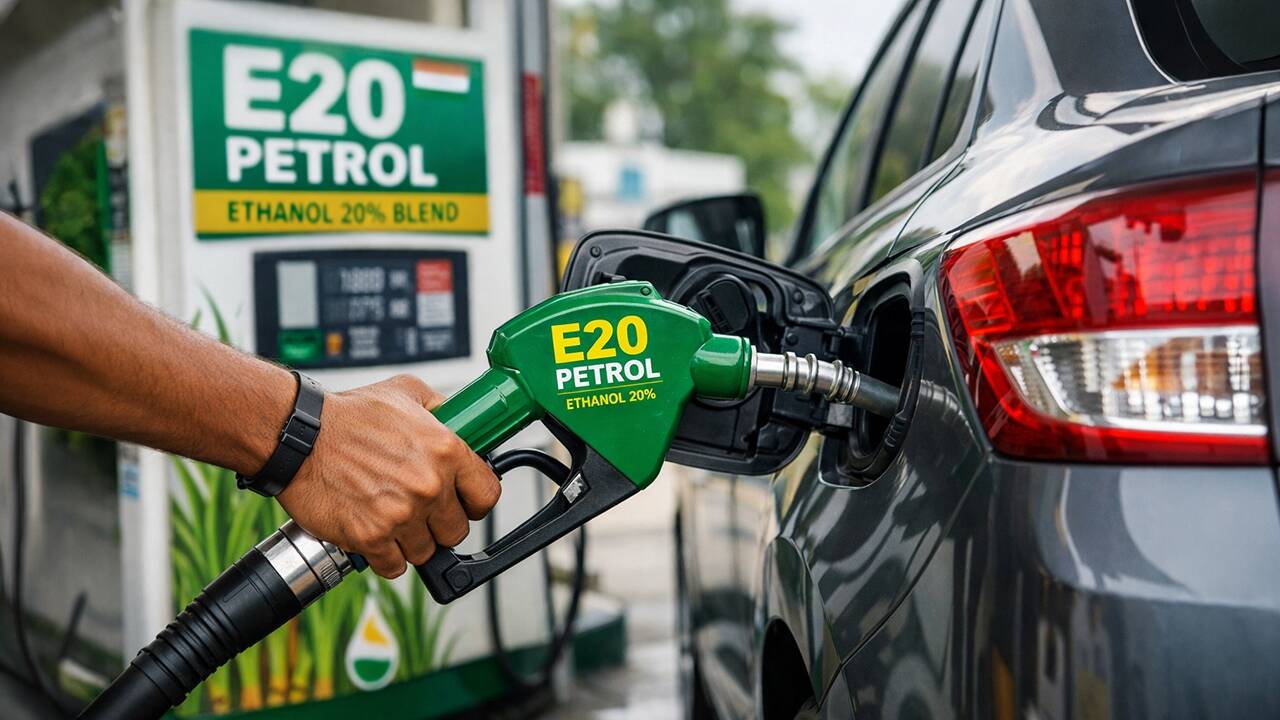
Internal communications exchanged among Indian auto industry executives reveal concerns over fuel contamination in 20% ethanol-blended (E20) petrol, despite the recent withdrawal of a formal complaint by the Society of Indian Automobile Manufacturers (SIAM).
Since April 1, when E20 became the only petrol available nationwide, motorists have raised concerns over reduced mileage, increased wear and tear, and performance issues, prompting at least one legal challenge. Before withdrawing its July 28 letter to the government, SIAM had warned that elevated chloride corrodes automotive components and excessive moisture can cause vehicles to stop functioning immediately after refuelling.
Internal emails and data reviewed by Reuters show that Maruti Suzuki, Tata Motors, and Mahindra—which together represent about 67% of India's passenger vehicle market—discussed fuel testing results covering more than 250 samples collected from retail outlets across 21 of India's 36 states and Union territories over a one-year period.
Key findings from the industry's fuel testing data include:
- Chloride Contamination: Testing detected elevated chloride in 18 states. Recorded levels ranged from 6 to 570 parts per million (ppm) in Rajasthan, 1.4 to 420 ppm in Delhi, and 10 to 357 ppm in Maharashtra, compared to the government limit of 3 ppm.
- Moisture Levels: Moisture reached up to 13,000 ppm in Andhra Pradesh and 12,500 ppm in Uttar Pradesh, against the government limit of 3,000 ppm.
- Component Tolerances: Maruti Suzuki executive Anoop Bhat noted that existing fuel injectors can tolerate a maximum chloride concentration of 1 ppm. Mahindra Senior Principal Engineer R. Ramaprabhu noted organic chloride was responsible for rapid vehicle failures and could damage engines "within 200 km".
SIAM withdrew its July 28 complaint hours after the government stated ethanol-blended petrol was safe, explaining that the letter was sent inadvertently, the sample size was insufficient for definitive conclusions, and numbers required further authentication. SIAM added that it plans to conduct a comprehensive scientific study on the issue.
Petroleum Minister Hardeep Singh Puri stated that state-run oil marketing companies initiated rigorous testing two weeks prior to SIAM's letter and identified only four instances of contamination. State-owned fuel retailers reported no cause for alarm. Mahindra rejected the interpretation of internal emails as "completely baseless and incorrect," stating it had observed no issues with E20 fuel, while Maruti Suzuki and Tata Motors did not respond to requests for comment.