
Assam clears Rs 600 cr for India's first public-sector proton beam therapy at GMCH
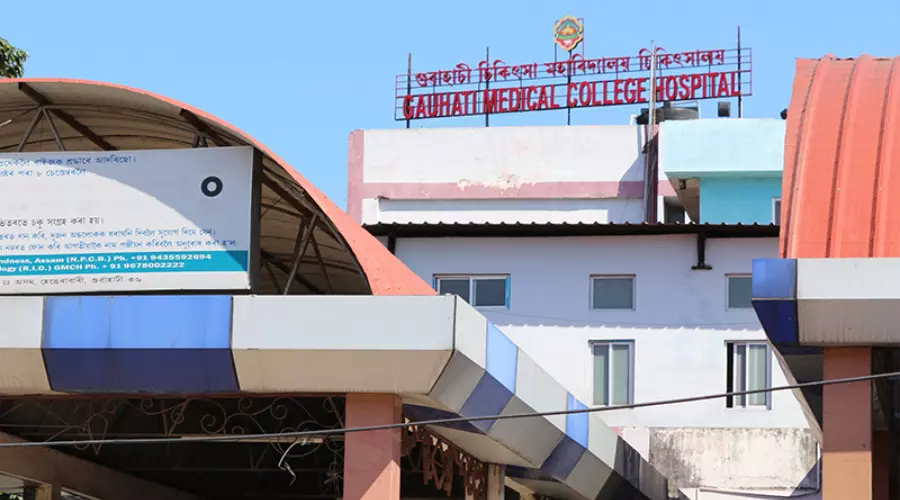
Guwahati, Aug 30: The Assam Cabinet, on Sunday, approved a Rs 600-crore investment to set up India’s first proton beam therapy facility in the public healthcare sector, with the specialised cancer treatment centre expected to take at least three years to become operational. The facility will be established at the Gauhati Medical College and Hospital (GMCH), significantly expanding Assam’s capacity to provide advanced cancer treatment, Chief Minister Himanta Biswa Sarma said. The Rs 600-crore investment will cover the procurement and installation of the advanced therapy system, construction of specialised infrastructure and operational support, including long-term maintenance. “The Rs 600-crore investment includes the cost of the entire set-up, including a special bunker for the machine. Training of doctors will require at least one to one-and-a-half years. It also involves five years of comprehensive maintenance costs, as we will not be able to maintain it on our own,” Sarma told reporters after the Cabinet meeting. He said the tender process for the facility had already been completed. Of the total investment, Rs 315 crore will be provided as a World Bank loan for procuring the machine, while the Assam government will contribute Rs 285 crore, Sarma said. According to Sarma, only around 40 centres globally currently offer proton beam therapy, including leading hospitals in the US and Singapore. “With the arrival of this machine, Assam will join an illustrious league of global centres. Assam will also get a new identity in medical tourism,” he said. Sarma said GMCH would become the third hospital in India, across both the public and private sectors, to house a proton beam therapy facility. Assam, meanwhile, would become the first State in the country to offer the treatment through the public healthcare system. The Chief Minister said proton beam therapy would strengthen Assam’s cancer treatment infrastructure by offering a more precise form of radiation therapy. “The radiation used to treat cancer through LINAC and cobalt machines has a chance of affecting organs beyond the area requiring radiation. Proton beam therapy, however, is precision-based and targets a specific affected area,” he said. Currently, proton beam therapy is available at select facilities in India, including Apollo Hospitals in Chennai and Tata Memorial. “This will enhance Assam’s capacity to provide better care to cancer patients not only from our State but also from across India,” Sarma said.